

Top Benefits of Using Heat Exchanger Evaporators in HVAC Applications
Top Benefits of Using Heat Exchanger Evaporators in HVAC Applications Table of Contents Introduction to Heat Exchanger Evaporators Understanding Heat Exchanger Evaporators Energy Efficiency and Cost Savings Enhanced Performance in HVAC Systems Environmental Sustainability Reduced Maintenance and Longevity Design Flexibility and Customization Frequently Asked Questions Conclusion
Published:
2025-12-24
source:
author:
Top Benefits of Using Heat Exchanger Evaporators in HVAC Applications
Table of Contents
- Introduction to Heat Exchanger Evaporators
- Understanding Heat Exchanger Evaporators
- Energy Efficiency and Cost Savings
- Enhanced Performance in HVAC Systems
- Environmental Sustainability
- Reduced Maintenance and Longevity
- Design Flexibility and Customization
- Frequently Asked Questions
- Conclusion
Introduction to Heat Exchanger Evaporators
In the realm of HVAC (Heating, Ventilation, and Air Conditioning), efficiency and reliability are paramount. Heat exchanger evaporators play a crucial role in achieving these goals. As a pivotal component in many HVAC applications, heat exchanger evaporators facilitate the transfer of heat between fluids, enhancing overall system performance. This article delves into the numerous benefits associated with heat exchanger evaporators, underlining their significance in modern HVAC installations.
Understanding Heat Exchanger Evaporators
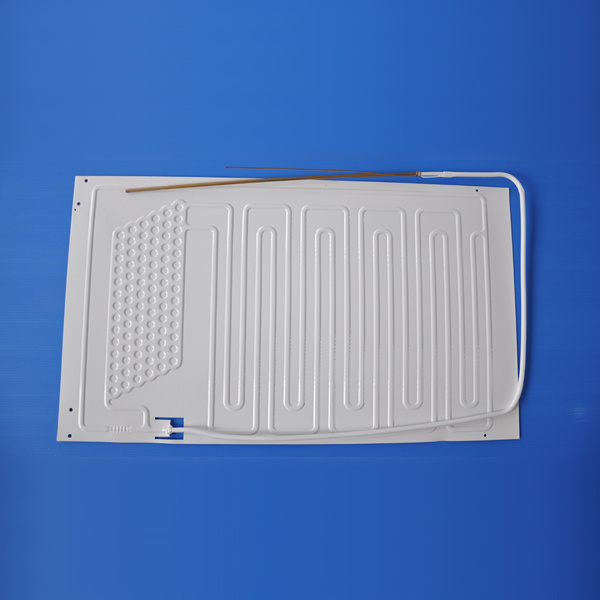
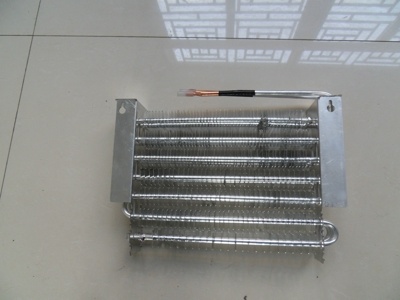
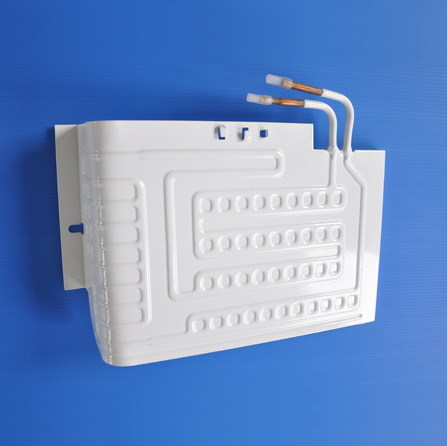
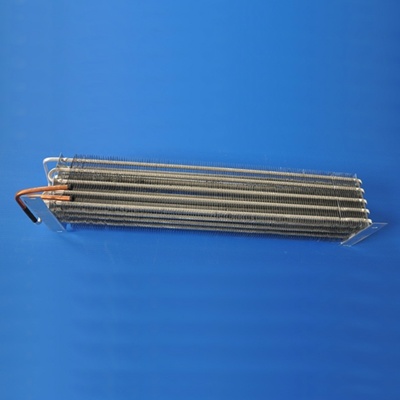
Heat exchanger evaporators function by utilizing the phase change of refrigerants and other fluids. When a refrigerant evaporates, it absorbs heat from its surroundings, effectively cooling the air or fluid flowing over the evaporator coils. The design of these evaporators can vary, with options including shell and tube, plate, and finned tube configurations. Each type possesses unique characteristics suited for specific applications, allowing for optimal performance in diverse HVAC scenarios.
Energy Efficiency and Cost Savings
One of the primary benefits of incorporating heat exchanger evaporators into HVAC systems is **their ability to significantly enhance energy efficiency**. By maximizing heat transfer and minimizing energy losses, these components allow systems to operate at lower energy levels while maintaining optimal performance.
This efficiency translates directly into cost savings. Facilities can witness a **reduction in energy bills**, enabling them to allocate resources to other critical areas. Furthermore, energy-efficient systems often qualify for government incentives and rebates, making the initial investment even more attractive.
How Energy Efficiency is Measured
To evaluate the energy efficiency of heat exchanger evaporators, various metrics are used, including the Coefficient of Performance (COP) and Energy Efficiency Ratio (EER). Higher values in these metrics indicate better performance, guiding users in selecting the most efficient systems for their needs.
Enhanced Performance in HVAC Systems
Heat exchanger evaporators are renowned for **enhancing the overall performance of HVAC systems**. By improving the heat transfer process, these components ensure consistent temperature control and improved indoor air quality.
Optimized Temperature Control
The precise temperature regulation offered by heat exchanger evaporators leads to a more comfortable environment. This is particularly beneficial in commercial settings, where maintaining specific temperature ranges is critical for both occupant comfort and equipment operation.
Improved Indoor Air Quality
Optimized performance directly correlates with improved indoor air quality. By effectively cooling and dehumidifying the air, heat exchanger evaporators help to reduce the presence of allergens and other airborne pollutants. This not only promotes a healthier environment but also enhances productivity in workplaces.
Environmental Sustainability
In today's world, sustainability is a significant concern for businesses and homeowners alike. Heat exchanger evaporators contribute to **reducing carbon footprints** by promoting energy conservation.
Lower Greenhouse Gas Emissions
By operating with higher energy efficiency, HVAC systems using heat exchanger evaporators emit fewer greenhouse gases. This reduction is crucial in combating climate change and promoting a healthier planet.
Utilization of Renewable Energy Sources
Many heat exchanger evaporators are designed to integrate seamlessly with renewable energy systems, such as solar or geothermal energy. This compatibility allows for even greater sustainability, as HVAC systems can harness clean energy sources to operate efficiently.
Reduced Maintenance and Longevity
**Maintenance costs** can quickly add up, especially in large HVAC systems. Heat exchanger evaporators are designed with durability in mind, often requiring less frequent maintenance compared to other components.
Durable Materials and Construction
Manufacturers utilize high-quality materials that can withstand extreme temperatures and corrosive environments. This resilience not only extends the lifespan of the evaporators but also reduces the likelihood of unexpected breakdowns.
Simplified Maintenance Procedures
The design of these evaporators often allows for easier access during maintenance checks. This accessibility enables technicians to perform routine inspections and cleanings efficiently, further extending the lifespan of the system.
Design Flexibility and Customization
Heat exchanger evaporators come in various designs, allowing for **customization** based on specific HVAC requirements. This flexibility makes them suitable for a wide range of applications, from residential units to large commercial systems.
Tailored Solutions for Unique Needs
Manufacturers can customize heat exchanger evaporators to meet the specific needs of any HVAC system. Options for size, materials, and configurations ensure that every installation is optimized for performance and efficiency.
Integration with Modern Technologies
The adaptability of heat exchanger evaporators allows for integration with advanced technologies, such as smart HVAC controls and building management systems. This synergy enhances overall system performance and provides users with real-time monitoring capabilities.
Frequently Asked Questions
1. What is the primary function of a heat exchanger evaporator in HVAC systems?
The primary function of a heat exchanger evaporator in HVAC systems is to absorb heat from the surrounding environment as the refrigerant evaporates, effectively cooling the air or fluid passing over the evaporator coils.
2. How do heat exchanger evaporators contribute to energy savings?
Heat exchanger evaporators enhance energy efficiency by maximizing heat transfer and minimizing energy losses, leading to lower energy consumption and reduced operational costs.
3. Can heat exchanger evaporators improve indoor air quality?
Yes, by effectively cooling and dehumidifying the air, heat exchanger evaporators help reduce allergens and pollutants, promoting better indoor air quality.
4. What types of heat exchanger evaporators are available?
Common types include shell and tube, plate, and finned tube configurations, each designed for specific applications and performance requirements.
5. How often should heat exchanger evaporators be serviced?
Routine maintenance checks are recommended at least once a year, allowing technicians to inspect, clean, and ensure the efficient operation of the heat exchanger evaporators.
Conclusion
Integrating heat exchanger evaporators into HVAC systems brings a multitude of benefits that enhance performance, improve energy efficiency, and contribute to environmental sustainability. Their ability to optimize temperature control, reduce maintenance costs, and offer design flexibility makes them an essential component in modern HVAC applications. As industries increasingly prioritize sustainability and cost-effectiveness, heat exchanger evaporators stand out as a vital solution for achieving these goals. Investing in these advanced components not only ensures operational excellence but also leads to a healthier environment and a sustainable future. Embrace the potential of heat exchanger evaporators and transform your HVAC systems today.
Hot News
Mobile website


language
English
العربية
বাংলাদেশ
Български
Hrvatski
Česky
Dansk
Nederland
 Esperanto
Slovenski
Filipino
Suomi
Français
Maori
 Shqiptare
Georgian
 Euskara
Deutsch
Ελλάδα
ישראל
इंडिया
Magyarország
Ísland
Indonesia
Irlanda
Italia
日本語
Sovensko
Հայաստան
한국
Kyrgyz
ປະເທດລາວ
 Zulu
Zulu
Latvian
Lithuanian
Luxembourgish
 Latinus
Macedonian
Малайская
Maltese
Монгол улс
 Cymraeg
ဗမာ
 தமிழ்
தமிழ்
नेपाल
Norge
ایران
Polska
Portugal
România
Российская
Србија
 Slovak
Србија
 Slovak
Bosanski
Slovenian
Беларус
España
Sverige
Точик
ประเทศไทย
Türk
Azərbaycan
Uzbek
 Afrikaans
Việt Nam
Tel: 0086-13775291367
E-mail: michael@xinxincool.com
ADD:No. 32 Tianshan Road, Xinqiao Town, Xinbei District, Changzhou City, Jiangsu Province
Copyright © 2024 Changzhou Xinxin Refrigeration Equipment Co., Ltd.