

Understanding Heat Exchanger Evaporators: Essential Insights for Industrial Applications
In the realm of industrial equipment, heat exchanger evaporators play a pivotal role in various thermal management applications. These devices are essential for transferring heat between two or more fluids without mixing them, thereby facilitating efficient thermal control in a wide array of processes. Understanding how heat exchanger evaporators operate is crucial for professionals seeking to opt
Published:
2025-12-17
source:
author:
In the realm of industrial equipment, heat exchanger evaporators play a pivotal role in various thermal management applications. These devices are essential for transferring heat between two or more fluids without mixing them, thereby facilitating efficient thermal control in a wide array of processes. Understanding how heat exchanger evaporators operate is crucial for professionals seeking to optimize system performance and energy efficiency.
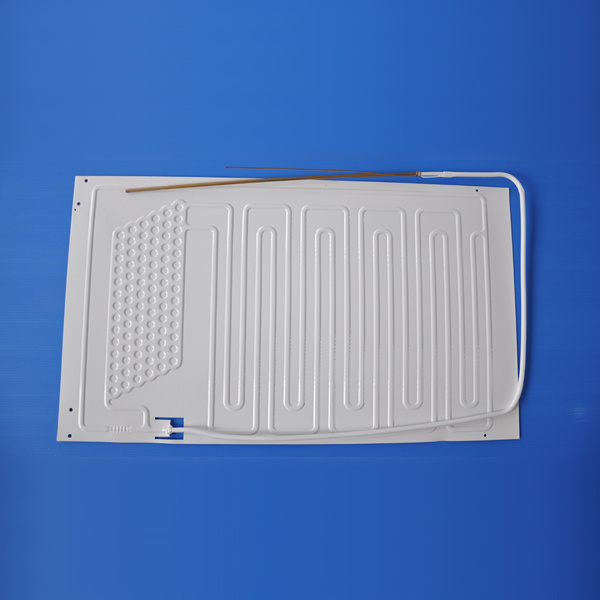
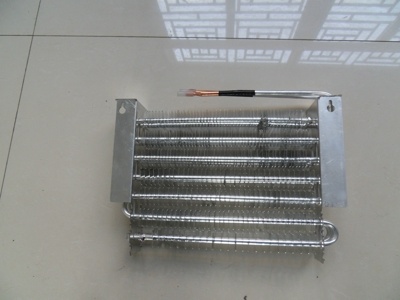
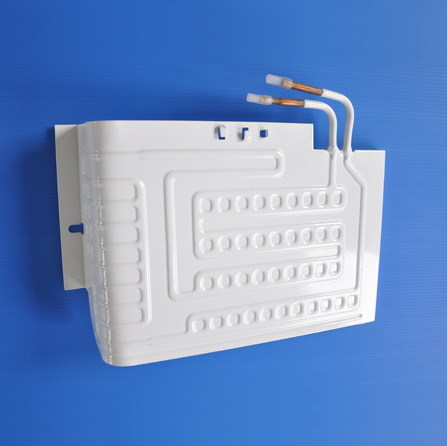
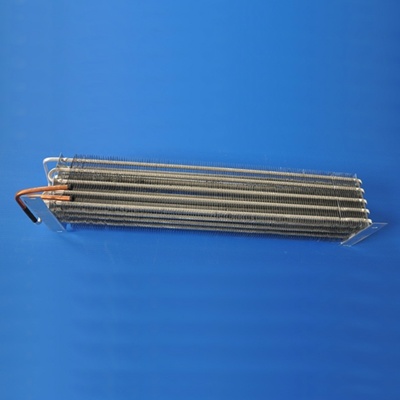
A heat exchanger evaporator primarily functions to facilitate the phase change of a refrigerant or another fluid from a liquid to a vapor. This process takes place when heat is absorbed from a secondary fluid, typically a gas or liquid, which is being cooled or conditioned. The design of an evaporator can vary significantly based on application needs, with common types including shell-and-tube, plate, and finned-tube evaporators. Each type has its unique advantages and is selected based on factors such as capacity, space constraints, and the nature of the fluids involved.
One of the critical features of a heat exchanger evaporator is its ability to enhance heat transfer efficiency through various mechanisms such as increasing surface area, optimizing flow patterns, or incorporating advanced materials. For instance, using enhanced surface designs can significantly improve heat transfer rates, making the evaporator more effective in its operation. This is particularly important in processes where maintaining specific temperature ranges is vital for product quality or operational safety.
Additionally, the selection and maintenance of heat exchanger evaporators are essential considerations in industrial operations. The choice of the evaporator must align with the overall system design, including the types of fluids used, their flow rates, and the desired thermal outcomes. Regular maintenance is also critical to ensure the longevity and reliability of the evaporator. This includes monitoring for fouling, corrosion, and leakage, all of which can adversely affect performance and energy efficiency.
Another important aspect to consider is the integration of modern technologies in heat exchanger evaporators. With advancements in control systems and sensors, it is now possible to monitor and adjust the performance of evaporators in real-time. This leads to improved energy management and operational flexibility, allowing for better responsiveness to fluctuating process demands.
In conclusion, heat exchanger evaporators are essential components in industrial thermal management systems. By understanding their operation, design variations, and maintenance requirements, professionals can significantly enhance the efficiency and reliability of their thermal processes. As industries continue to evolve, staying informed about advancements in heat transfer technologies will be crucial for optimizing performance and achieving energy sustainability goals.
A heat exchanger evaporator primarily functions to facilitate the phase change of a refrigerant or another fluid from a liquid to a vapor. This process takes place when heat is absorbed from a secondary fluid, typically a gas or liquid, which is being cooled or conditioned. The design of an evaporator can vary significantly based on application needs, with common types including shell-and-tube, plate, and finned-tube evaporators. Each type has its unique advantages and is selected based on factors such as capacity, space constraints, and the nature of the fluids involved.
One of the critical features of a heat exchanger evaporator is its ability to enhance heat transfer efficiency through various mechanisms such as increasing surface area, optimizing flow patterns, or incorporating advanced materials. For instance, using enhanced surface designs can significantly improve heat transfer rates, making the evaporator more effective in its operation. This is particularly important in processes where maintaining specific temperature ranges is vital for product quality or operational safety.
Additionally, the selection and maintenance of heat exchanger evaporators are essential considerations in industrial operations. The choice of the evaporator must align with the overall system design, including the types of fluids used, their flow rates, and the desired thermal outcomes. Regular maintenance is also critical to ensure the longevity and reliability of the evaporator. This includes monitoring for fouling, corrosion, and leakage, all of which can adversely affect performance and energy efficiency.
Another important aspect to consider is the integration of modern technologies in heat exchanger evaporators. With advancements in control systems and sensors, it is now possible to monitor and adjust the performance of evaporators in real-time. This leads to improved energy management and operational flexibility, allowing for better responsiveness to fluctuating process demands.
In conclusion, heat exchanger evaporators are essential components in industrial thermal management systems. By understanding their operation, design variations, and maintenance requirements, professionals can significantly enhance the efficiency and reliability of their thermal processes. As industries continue to evolve, staying informed about advancements in heat transfer technologies will be crucial for optimizing performance and achieving energy sustainability goals.
Hot News
Mobile website


language
English
العربية
বাংলাদেশ
Български
Hrvatski
Česky
Dansk
Nederland
 Esperanto
Slovenski
Filipino
Suomi
Français
Maori
 Shqiptare
Georgian
 Euskara
Deutsch
Ελλάδα
ישראל
इंडिया
Magyarország
Ísland
Indonesia
Irlanda
Italia
日本語
Sovensko
Հայաստան
한국
Kyrgyz
ປະເທດລາວ
 Zulu
Zulu
Latvian
Lithuanian
Luxembourgish
 Latinus
Macedonian
Малайская
Maltese
Монгол улс
 Cymraeg
ဗမာ
 தமிழ்
தமிழ்
नेपाल
Norge
ایران
Polska
Portugal
România
Российская
Србија
 Slovak
Србија
 Slovak
Bosanski
Slovenian
Беларус
España
Sverige
Точик
ประเทศไทย
Türk
Azərbaycan
Uzbek
 Afrikaans
Việt Nam
Tel: 0086-13775291367
E-mail: michael@xinxincool.com
ADD:No. 32 Tianshan Road, Xinqiao Town, Xinbei District, Changzhou City, Jiangsu Province
Copyright © 2024 Changzhou Xinxin Refrigeration Equipment Co., Ltd.