

Aluminum Plate Evaporators vs. Traditional Evaporators: An In-Depth Comparative Analysis
Aluminum Plate Evaporators vs. Traditional Evaporators: A Comprehensive Analysis Table of Contents 1. Introduction to Evaporators 2. Types of Evaporators 2.1 Traditional Evaporators 2.2 Aluminum Plate Evaporators 3. Performance Comparison 3.1 Heat Exchange Efficiency 3.2 Energy Consumption 4. Desig
Published:
2026-04-15
source:
author:
Aluminum Plate Evaporators vs. Traditional Evaporators: A Comprehensive Analysis
Table of Contents
- 1. Introduction to Evaporators
- 2. Types of Evaporators
- 3. Performance Comparison
- 4. Design and Construction
- 5. Applications of Evaporators
- 6. Maintenance and Costs
- 7. Environmental Considerations
- 8. Frequently Asked Questions
- 9. Conclusion
1. Introduction to Evaporators
Evaporators play a crucial role in various industrial processes, particularly in the food and beverage, pharmaceutical, and chemical sectors. These devices are designed to remove solvent from a solution through the process of evaporation. Choosing the right type of evaporator can significantly impact production efficiency, energy consumption, and overall operational costs. This article provides an in-depth comparative analysis of **Aluminum Plate Evaporators** and **Traditional Evaporators**, focusing on their performance, design, applications, and maintenance needs.
2. Types of Evaporators
2.1 Traditional Evaporators
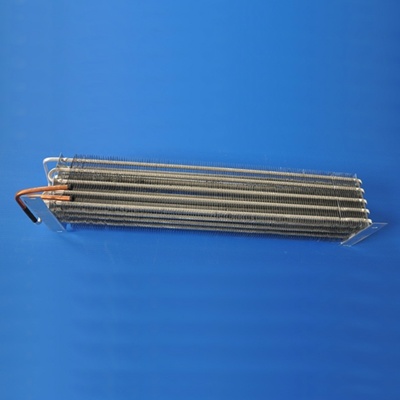
Traditional evaporators, often referred to as **shell-and-tube evaporators** or **falling film evaporators**, have been the industry standard for many years. These systems typically consist of a large shell that contains a series of tubes. A heating medium passes through these tubes, facilitating the evaporation of the liquid inside the shell. Traditional evaporators are known for their robustness and ability to handle high volumes of liquid.
2.2 Aluminum Plate Evaporators
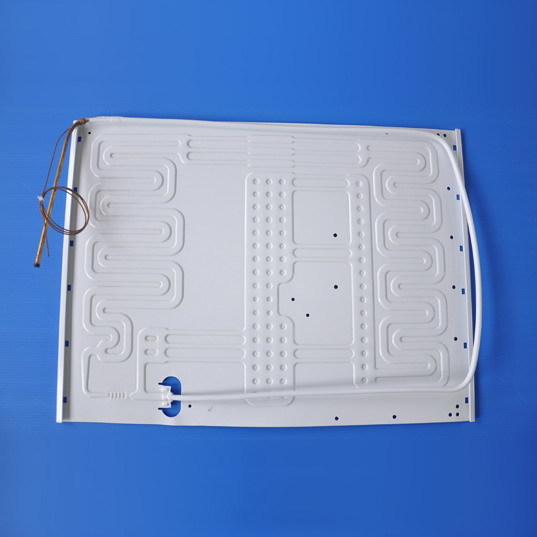
**Aluminum Plate Evaporators** are a modern innovation in the field of evaporation technology. Composed of thin aluminum plates, these evaporators utilize a compact design to maximize heat transfer efficiency. The plates are arranged in a way that creates multiple flow paths for the liquid, which enhances the evaporation process. This type of evaporator is gaining popularity due to its lightweight design and energy efficiency.
3. Performance Comparison
3.1 Heat Exchange Efficiency
Heat exchange efficiency is a critical factor when comparing evaporators. **Aluminum Plate Evaporators** excel in this area due to their increased surface area and optimized flow paths. The thin plates allow for quicker heat transfer compared to the thicker tubes of traditional evaporators. As a result, aluminum plate evaporators can achieve higher evaporation rates, making them suitable for applications requiring rapid solvent removal.
3.2 Energy Consumption
Energy consumption is another vital aspect when evaluating evaporators. Traditional evaporators often require more energy to maintain optimal operating temperatures, especially when handling large volumes. In contrast, aluminum plate evaporators, with their efficient heat transfer capabilities, can operate at lower temperatures, leading to reduced energy consumption. This not only translates to lower operational costs but also contributes to a more environmentally friendly operation.
4. Design and Construction
4.1 Material Durability
Durability is an essential factor in the construction of any industrial equipment. Traditional evaporators are typically made from stainless steel or other robust materials, allowing them to withstand harsh operating conditions. However, aluminum plate evaporators, while lightweight, are designed with advanced coatings that enhance corrosion resistance. This makes them suitable for various applications without compromising durability.
4.2 Space Requirements
Space efficiency is a growing concern in industrial settings. **Aluminum Plate Evaporators** are significantly more compact than traditional evaporators, making them an attractive option for facilities with limited space. Their design allows for easy integration into existing setups, providing manufacturers with flexibility in their operations.
5. Applications of Evaporators
Both aluminum plate evaporators and traditional evaporators find their applications across various sectors. Traditional evaporators are commonly used in industries that require larger-scale operations, such as the chemical and oil sectors. On the other hand, aluminum plate evaporators are often preferred in food processing, dairy, and pharmaceutical applications due to their efficiency and lower energy consumption.
6. Maintenance and Costs
Maintenance is a critical consideration for any industrial equipment. Traditional evaporators may demand more frequent maintenance due to their larger size and complexity. In contrast, aluminum plate evaporators are generally easier to clean and maintain, thanks to their modular design. Additionally, the lower energy consumption of aluminum plate evaporators can lead to overall cost savings in the long run, making them a more economical option for many industries.
7. Environmental Considerations
As industries turn towards sustainable practices, the environmental impact of equipment becomes increasingly important. Aluminum plate evaporators contribute positively by minimizing energy usage and reducing the carbon footprint of industrial operations. Their efficient design not only enhances productivity but also aligns with global efforts towards sustainability.
8. Frequently Asked Questions
8.1 What are the main advantages of aluminum plate evaporators?
Aluminum plate evaporators offer higher heat exchange efficiency, lower energy consumption, and compact design, making them an excellent choice for many industrial applications.
8.2 Are traditional evaporators still relevant in modern industries?
Yes, traditional evaporators remain relevant, particularly for larger-scale operations that require robust systems capable of handling high volumes.
8.3 How do maintenance requirements differ between the two types?
Aluminum plate evaporators typically require less maintenance and are easier to clean compared to traditional evaporators, which may need more frequent servicing due to their complexity.
8.4 Can aluminum plate evaporators handle corrosive substances?
Yes, many aluminum plate evaporators are designed with advanced coatings that provide excellent corrosion resistance, allowing them to handle a variety of substances.
8.5 What factors should be considered when selecting an evaporator?
Key factors include the application, required evaporation rate, energy efficiency, space constraints, and maintenance needs.
9. Conclusion
In summary, both aluminum plate evaporators and traditional evaporators have their unique advantages and applications. Aluminum plate evaporators stand out for their energy efficiency, compact design, and ease of maintenance, making them a favorable choice for many modern industrial processes. As industries continue to evolve and prioritize sustainability, aluminum plate evaporators are likely to play a pivotal role in shaping the future of evaporation technology. Ultimately, the right choice will depend on specific operational needs, but understanding the differences between these two types of evaporators is essential for making an informed decision.
Hot News


Mobile website


language
English
العربية
বাংলাদেশ
Български
Hrvatski
Česky
Dansk
Nederland
 Esperanto
Slovenski
Filipino
Suomi
Français
Maori
 Shqiptare
Georgian
 Euskara
Deutsch
Ελλάδα
ישראל
इंडिया
Magyarország
Ísland
Indonesia
Irlanda
Italia
日本語
Sovensko
Հայաստան
한국
Kyrgyz
ປະເທດລາວ
 Zulu
Zulu
Latvian
Lithuanian
Luxembourgish
 Latinus
Macedonian
Малайская
Maltese
Монгол улс
 Cymraeg
ဗမာ
 தமிழ்
தமிழ்
नेपाल
Norge
ایران
Polska
Portugal
România
Российская
Србија
 Slovak
Србија
 Slovak
Bosanski
Slovenian
Беларус
España
Sverige
Точик
ประเทศไทย
Türk
Azərbaycan
Uzbek
 Afrikaans
Việt Nam
Tel: 0086-13775291367
E-mail: michael@xinxincool.com
ADD:No. 32 Tianshan Road, Xinqiao Town, Xinbei District, Changzhou City, Jiangsu Province
Copyright © 2024 Changzhou Xinxin Refrigeration Equipment Co., Ltd.