

How Rollbond Aluminum Plates Enhance Heat Transfer Efficiency in Industrial Equipment
How Rollbond Aluminum Plates Enhance Heat Transfer Efficiency in Industrial Equipment In today's fast-paced industrial landscape, the need for efficient heat transfer solutions has never been more critical. One innovation that has significantly impacted the thermal management sector is the Rollbond aluminum plate. By understanding the mechanics and applications of these plates, we can unveil how t
Published:
2026-05-13
source:
author:
How Rollbond Aluminum Plates Enhance Heat Transfer Efficiency in Industrial Equipment
In today's fast-paced industrial landscape, the need for efficient heat transfer solutions has never been more critical. One innovation that has significantly impacted the thermal management sector is the Rollbond aluminum plate. By understanding the mechanics and applications of these plates, we can unveil how they enhance heat transfer efficiency in various industrial settings.
Understanding Rollbond Aluminum Plates
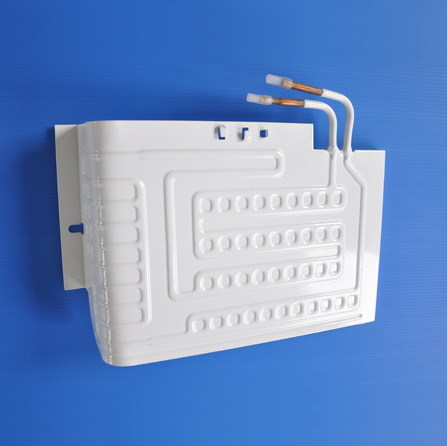
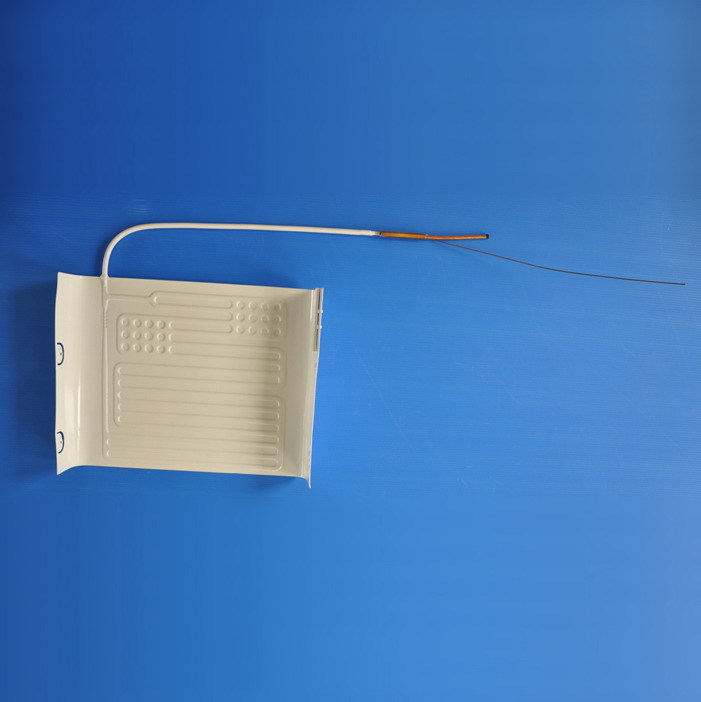
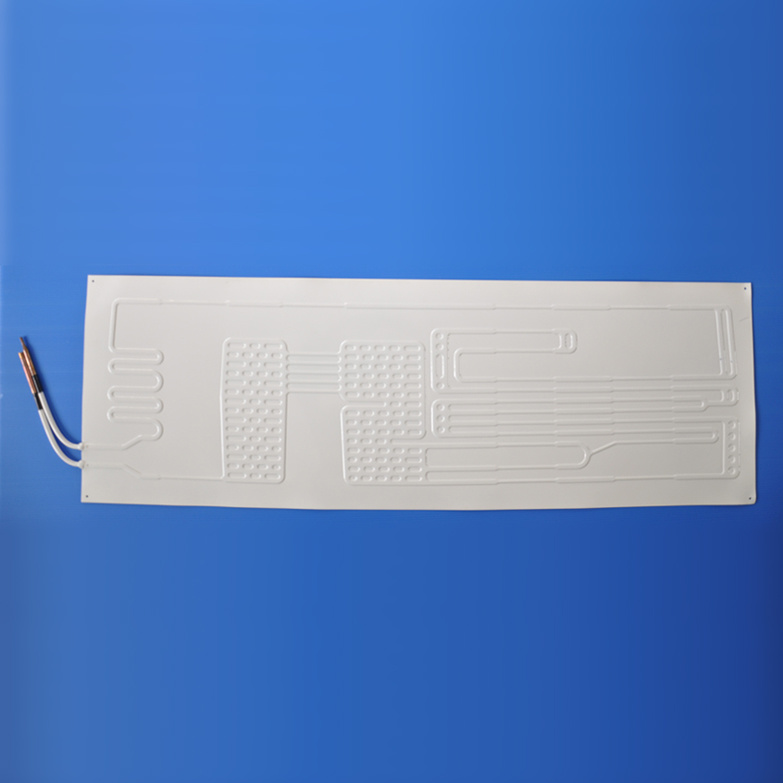
Rollbond aluminum plates are a specialized type of heat exchanger technology designed for optimal thermal conductivity. These plates are created through a unique manufacturing process that involves bonding two sheets of aluminum together, forming a series of channels or cavities. The result is a lightweight, highly efficient component that facilitates superior heat transfer.
The Manufacturing Process of Rollbond Plates
To truly appreciate the advantages of Rollbond aluminum plates, it's essential to understand their production process. The manufacturing begins with the selection of high-quality aluminum sheets. These sheets are then rolled and bonded together using heat and pressure, creating a durable yet flexible structure. This process allows for the formation of intricate channel designs that maximize surface area, resulting in improved heat exchange efficiency.
Key Characteristics of Rollbond Aluminum Plates
- Lightweight: The reduced weight of Rollbond plates compared to traditional materials makes them easier to handle and install.
- Corrosion Resistance: Aluminum naturally resists corrosion, extending the lifespan of heat exchangers.
- High Thermal Conductivity: Aluminum boasts excellent thermal conductivity, allowing for efficient heat transfer.
- Versatile Design: Custom channel designs optimize performance for specific applications.
The Role of Heat Transfer in Industrial Equipment
Heat transfer is a fundamental aspect of many industrial processes, from chemical manufacturing to food processing. Effective heat exchange is crucial for maintaining optimal operating temperatures, enhancing product quality, and ensuring equipment longevity. Traditional heat exchangers often fall short due to limitations in material properties or design efficiency. Rollbond aluminum plates offer a solution to these challenges.
Applications of Rollbond Aluminum Plates
The versatility of Rollbond aluminum plates allows them to be utilized across a broad spectrum of industries. Here are some of the key applications:
1. Chemical Processing
In chemical processing plants, maintaining precise temperatures is critical for reaction efficiency. Rollbond aluminum plates provide rapid heat exchange, thus enabling faster chemical reactions and improved yield.
2. HVAC Systems
Heating, ventilation, and air conditioning (HVAC) systems greatly benefit from Rollbond technology. Their lightweight nature allows for more compact designs, enhancing energy efficiency while maximizing space.
3. Food and Beverage Industry
In the food industry, maintaining temperature control is essential for safety and quality. Rollbond plates ensure effective heat transfer, allowing for rapid cooling or heating, which is vital during processing and storage.
4. Renewable Energy
In solar thermal applications, Rollbond aluminum plates enhance the efficiency of heat exchangers, leading to improved energy capture and conversion. Their lightweight design also contributes to easier installation on solar panels.
Advantages of Using Rollbond Aluminum Plates
The integration of Rollbond aluminum plates into industrial equipment comes with a plethora of advantages:
Enhanced Heat Transfer Efficiency
One of the standout features of Rollbond aluminum plates is their ability to significantly enhance heat transfer efficiency. The intricate channel design maximizes surface area for heat exchange, ensuring that thermal energy is transferred quickly and effectively.
Energy Savings
With improved heat transfer capabilities, systems utilizing Rollbond plates often operate at lower energy levels. This reduction in energy consumption not only lowers operational costs but also contributes to a more sustainable industrial practice.
Reduced Maintenance Costs
Due to the corrosion resistance and durability of aluminum, equipment employing Rollbond plates typically experiences fewer maintenance issues. This reliability translates to reduced downtime and lower maintenance expenditures over time.
Customizability
Rollbond plates can be tailored to specific industrial needs, allowing for customized channel designs and sizes. This adaptability ensures that the heat exchanger is optimized for its intended application, further improving efficiency.
Understanding Thermal Conductivity and Its Importance
Thermal conductivity is a material's ability to conduct heat. It's a critical factor in the design of heat exchangers, as higher thermal conductivity leads to more efficient heat transfer. Rollbond aluminum plates excel in this regard, enabling industrial equipment to maintain optimal temperatures and improve overall performance.
Key Factors Influencing Thermal Conductivity
- Material Composition: The choice of aluminum and its alloying elements can significantly impact thermal conductivity.
- Surface Area: The larger the surface area available for heat exchange, the more efficient the heat transfer process.
- Flow Design: The design of the flow channels directly affects how effectively heat is transferred between fluids.
FAQs About Rollbond Aluminum Plates
1. What makes Rollbond aluminum plates different from other heat exchangers?
Rollbond aluminum plates are distinguished by their unique manufacturing process that creates intricate channel designs, enhancing heat transfer efficiency while being lightweight and corrosion-resistant.
2. Can Rollbond plates be used in high-temperature applications?
Yes, Rollbond aluminum plates can handle a range of temperatures, but specific temperature limits should be confirmed based on the application and aluminum grade used.
3. How do Rollbond plates contribute to energy savings?
By improving heat transfer efficiency, Rollbond plates enable equipment to operate at lower temperatures, reducing overall energy consumption and costs.
4. Are Rollbond aluminum plates environmentally friendly?
Yes, Rollbond plates promote energy efficiency and longevity in equipment, contributing to reduced waste and lower energy consumption, aligning with sustainable practices.
5. What industries benefit the most from Rollbond aluminum plates?
Industries such as chemical processing, HVAC, food and beverage, and renewable energy greatly benefit from the enhanced heat transfer capabilities of Rollbond aluminum plates.
Conclusion
Rollbond aluminum plates represent a significant advancement in the realm of heat transfer technologies. Their lightweight design, coupled with superior thermal conductivity and corrosion resistance, makes them an ideal choice for various industrial applications. As industries continue to seek more efficient and sustainable solutions, Rollbond plates will play an integral role in enhancing heat transfer performance and reducing operational costs. By understanding their benefits and applications, businesses can leverage this innovative technology to improve their processes and achieve greater efficiency.
Hot News
Mobile website


 Esperanto
 Shqiptare
 Euskara
 Zulu
Zulu
 Latinus
 Cymraeg
 தமிழ்
தமிழ்
 Slovak
 Slovak
 Afrikaans
Tel: 0086-13775291367
E-mail: michael@xinxincool.com
ADD:No. 32 Tianshan Road, Xinqiao Town, Xinbei District, Changzhou City, Jiangsu Province
Copyright © 2024 Changzhou Xinxin Refrigeration Equipment Co., Ltd.