

Rollbond Plates: An In-Depth Exploration of Their Functionality and Diverse Applications
Rollbond Plates: An Overview of Their Functionality and Applications Rollbond plates have established themselves as a cornerstone in the realm of industrial refrigeration. Their unique design and functionality make them indispensable in various applications, particularly in the cooling industry. This article aims to provide a detailed overview of rollbond plates, covering their functionality, appl
Published:
2026-05-27
source:
author:
Rollbond Plates: An Overview of Their Functionality and Applications
Rollbond plates have established themselves as a cornerstone in the realm of industrial refrigeration. Their unique design and functionality make them indispensable in various applications, particularly in the cooling industry. This article aims to provide a detailed overview of rollbond plates, covering their functionality, applications, benefits, and maintenance tips.
Understanding Rollbond Plates
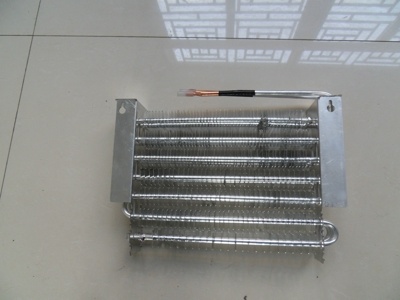
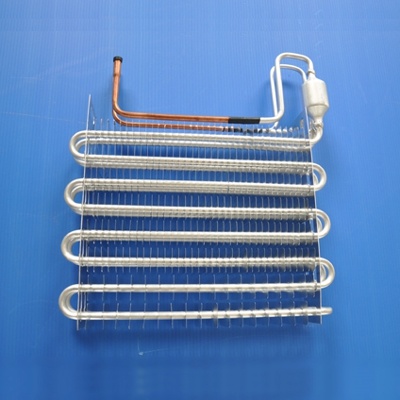
Rollbond plates are a type of evaporator used in refrigeration systems. They are typically made from aluminum and feature a unique bonded structure that enhances their heat transfer capabilities. The plates are designed to maximize surface area while minimizing weight, resulting in efficient thermal performance.
The Design and Composition of Rollbond Plates
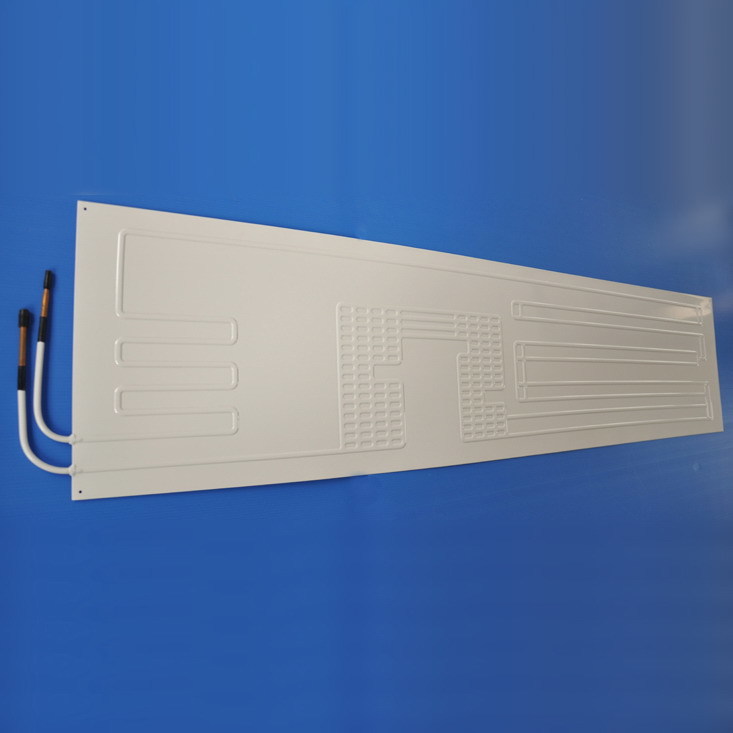
The distinctive design of rollbond plates comprises two thin aluminum sheets that are rolled together to create a series of channels. This process not only reduces the weight of the evaporator but also increases the surface area for heat exchange. The bonding process ensures that the plates are robust and can withstand varying pressure conditions.
Material Properties and Thermal Conductivity
Aluminum, the primary material used in rollbond plates, is known for its excellent thermal conductivity and resistance to corrosion. These properties make rollbond plates highly efficient in heat transfer, which is crucial for refrigeration applications. The lightweight nature of aluminum also contributes to the overall efficiency of refrigeration systems, as it reduces the energy required for operation.
Functionality of Rollbond Plates in Refrigeration Systems
Rollbond plates serve as evaporators in refrigeration systems, playing a vital role in the cooling process. Their functionality can be broken down into several key aspects:
Heat Exchange Efficiency
The design of rollbond plates allows for enhanced heat exchange efficiency. The increased surface area created by the channels allows for better contact with the refrigerant, leading to quicker heat absorption. This efficiency contributes to the overall effectiveness of refrigeration units.
Customizable Designs for Specific Applications
One of the significant advantages of rollbond plates is their customizable design. Depending on the specific requirements of an application, manufacturers can alter the dimensions, thickness, and channel configurations of the plates. This flexibility makes rollbond plates suitable for various refrigeration needs, from commercial freezers to industrial cooling systems.
Applications of Rollbond Plates in Various Industries
Rollbond plates find extensive applications across multiple industries, primarily due to their efficiency and adaptability. Here are some of the key sectors where rollbond plates are utilized:
1. Food and Beverage Industry
In the food and beverage sector, maintaining optimal temperatures is crucial for preserving product quality. Rollbond plates are commonly used in refrigeration units to ensure that perishable goods are kept at safe temperatures during storage and transportation.
2. Pharmaceutical Industry
The pharmaceutical industry requires stringent temperature control to maintain the efficacy of medications. Rollbond plates are utilized in the cooling systems of pharmaceutical storage facilities to provide consistent temperatures, ensuring product integrity.
3. HVAC Systems
Rollbond plates are also integral to heating, ventilation, and air conditioning (HVAC) systems. They are used in chillers and cooling towers to enhance the efficiency of temperature regulation. Their lightweight design allows for easy integration into existing systems.
4. Automotive Industry
In the automotive sector, rollbond plates are used in air conditioning systems within vehicles. Their effective heat exchange capabilities contribute to improved passenger comfort and energy efficiency.
5. Industrial Refrigeration Units
Large-scale industrial refrigeration units, essential for chemical processing and manufacturing, also employ rollbond plates. Their durability and efficiency under high-pressure conditions make them ideal for such demanding applications.
Benefits of Using Rollbond Plates
The advantages of incorporating rollbond plates into refrigeration systems are numerous. Here are some of the key benefits:
1. Enhanced Energy Efficiency
Rollbond plates significantly improve the energy efficiency of refrigeration units. Their ability to facilitate rapid heat exchange reduces the energy consumption of cooling systems, leading to lower operational costs.
2. Lightweight and Compact Design
The lightweight nature of rollbond plates allows for easier installation and integration into existing systems. Their compact design also saves valuable space, which is especially beneficial in large industrial facilities.
3. Customization Options
As mentioned earlier, the ability to customize rollbond plates to meet specific application needs is a significant advantage. Manufacturers can design plates that meet precise dimensions and performance requirements, enhancing overall system performance.
4. Long Lifespan and Durability
The robust construction of rollbond plates ensures their longevity and reliability. With proper maintenance, these plates can function efficiently for years, reducing the need for frequent replacements.
5. Easy Maintenance
Rollbond plates are relatively easy to maintain, which contributes to reduced downtime in industrial operations. Regular cleaning and inspection can help prolong their lifespan and maintain optimal performance.
Maintenance Tips for Rollbond Plates
To ensure the longevity and efficiency of rollbond plates, proper maintenance is essential. Here are some tips to consider:
1. Regular Cleaning
Dust, dirt, and debris can accumulate on the surface of rollbond plates over time, hindering their performance. Regular cleaning with appropriate solutions can help maintain optimal heat exchange efficiency.
2. Inspect for Damage
Routine inspections for any signs of wear or damage are crucial. Identifying issues early can prevent significant problems and costly repairs down the line.
3. Monitor Operating Conditions
Keeping an eye on the operating conditions of the refrigeration system can help identify any potential issues with the rollbond plates. Ensure that temperature and pressure levels are within the recommended ranges.
4. Seek Professional Help When Needed
If any significant issues arise, it is advisable to consult with a professional. Experts can provide valuable insights and assistance to resolve any problems effectively.
Future Trends in Rollbond Plate Technology
As technology continues to evolve, so do the applications and designs of rollbond plates. The future holds exciting possibilities, including advancements in material technology, enhanced energy efficiency solutions, and even greater customization options.
The Role of Sustainability
Sustainability is becoming increasingly important in industrial processes. Future rollbond plate designs may focus on using eco-friendly materials and energy-efficient technologies, aligning with global sustainability goals.
Integration with Smart Technologies
The integration of smart technologies within refrigeration systems is another trend on the horizon. Rollbond plates may be designed to work with smart control systems, allowing for real-time monitoring and optimal performance management.
Frequently Asked Questions (FAQs)
1. What materials are rollbond plates made from?
Rollbond plates are primarily made from aluminum due to its excellent thermal conductivity and resistance to corrosion.
2. How do rollbond plates improve energy efficiency?
Their unique design allows for enhanced heat exchange, reducing the energy consumption of refrigeration systems.
3. Can rollbond plates be customized for specific applications?
Yes, manufacturers can customize the dimensions and configurations of rollbond plates to suit various refrigeration needs.
4. What industries commonly use rollbond plates?
Common industries include food and beverage, pharmaceuticals, HVAC, automotive, and industrial refrigeration.
5. How can I maintain my rollbond plates effectively?
Regular cleaning, routine inspections, monitoring operating conditions, and consulting professionals when needed can help maintain rollbond plates.
Conclusion
In summary, rollbond plates serve a crucial role in the efficiency and effectiveness of refrigeration systems across various industries. Their unique design, customizable options, and energy efficiency make them highly sought after in today’s competitive market. By understanding their functionality, applications, and maintenance needs, businesses can optimize their refrigeration processes and ensure long-lasting performance. As technology continues to advance, the future of rollbond plates appears bright, with promising innovations on the horizon.
Hot News

Mobile website


language
English
العربية
বাংলাদেশ
Български
Hrvatski
Česky
Dansk
Nederland
 Esperanto
Slovenski
Filipino
Suomi
Français
Maori
 Shqiptare
Georgian
 Euskara
Deutsch
Ελλάδα
ישראל
इंडिया
Magyarország
Ísland
Indonesia
Irlanda
Italia
日本語
Sovensko
Հայաստան
한국
Kyrgyz
ປະເທດລາວ
 Zulu
Zulu
Latvian
Lithuanian
Luxembourgish
 Latinus
Macedonian
Малайская
Maltese
Монгол улс
 Cymraeg
ဗမာ
 தமிழ்
தமிழ்
नेपाल
Norge
ایران
Polska
Portugal
România
Российская
Србија
 Slovak
Србија
 Slovak
Bosanski
Slovenian
Беларус
España
Sverige
Точик
ประเทศไทย
Türk
Azərbaycan
Uzbek
 Afrikaans
Việt Nam
Tel: 0086-13775291367
E-mail: michael@xinxincool.com
ADD:No. 32 Tianshan Road, Xinqiao Town, Xinbei District, Changzhou City, Jiangsu Province
Copyright © 2024 Changzhou Xinxin Refrigeration Equipment Co., Ltd.