

How Rollbond Plates Enhance Refrigeration Equipment Performance: A Comprehensive Guide
How Rollbond Plates Enhance Refrigeration Equipment Performance: A Comprehensive Guide Table of Contents Introduction to Rollbond Plates in Refrigeration Understanding Rollbond Technology Advantages of Rollbond Plates in Refrigeration Equipment Energy Efficiency and Cost Savings Applications of Rollbond Plates in Various Industries Design and Manufacturing Process of Rollb
Published:
2026-09-30
source:
author:
How Rollbond Plates Enhance Refrigeration Equipment Performance: A Comprehensive Guide
Table of Contents
- Introduction to Rollbond Plates in Refrigeration
- Understanding Rollbond Technology
- Advantages of Rollbond Plates in Refrigeration Equipment
- Energy Efficiency and Cost Savings
- Applications of Rollbond Plates in Various Industries
- Design and Manufacturing Process of Rollbond Plates
- Challenges in Implementing Rollbond Plates and Their Solutions
- Future Innovations in Rollbond Technology
- Conclusion
- FAQs about Rollbond Plates and Refrigeration Equipment
Introduction to Rollbond Plates in Refrigeration
Rollbond plates have emerged as a critical component in the realm of refrigeration equipment, enhancing performance in ways that were previously unattainable. These specialized heat exchangers utilize an innovative design that promotes effective thermal management, essential for maintaining optimal cold temperatures across various refrigeration applications. This article aims to explore the multifaceted role of Rollbond plates in improving refrigeration performance, energy efficiency, and overall reliability.
Understanding Rollbond Technology
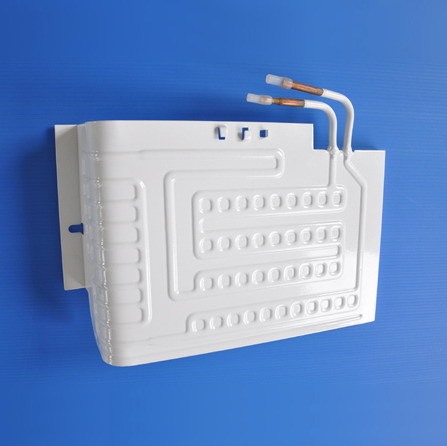
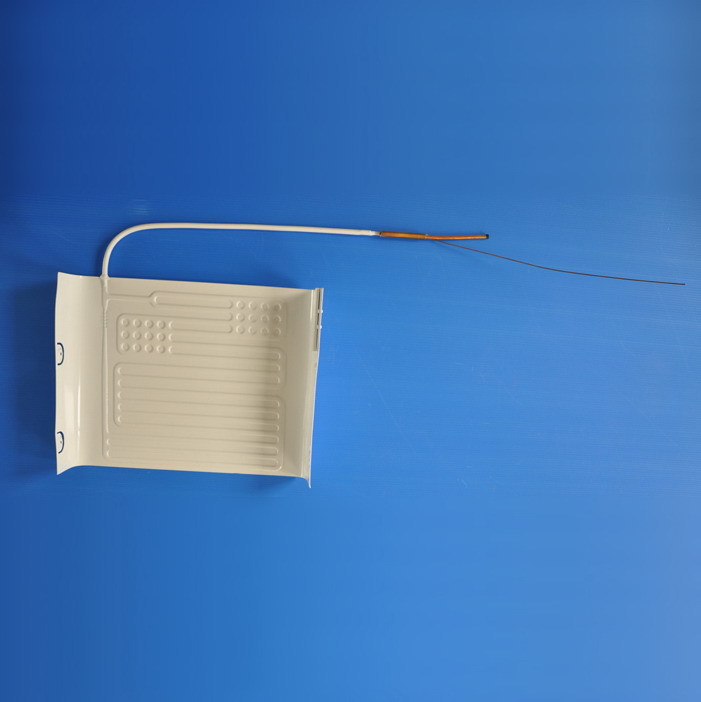
Rollbond technology refers to a specific manufacturing process that creates thin, lightweight, and highly effective heat exchangers. The core principle of Rollbond plates lies in their ability to combine the functionality of evaporators and condensers into a single unit. These plates are typically made from aluminum or other compatible materials that conduct heat efficiently.
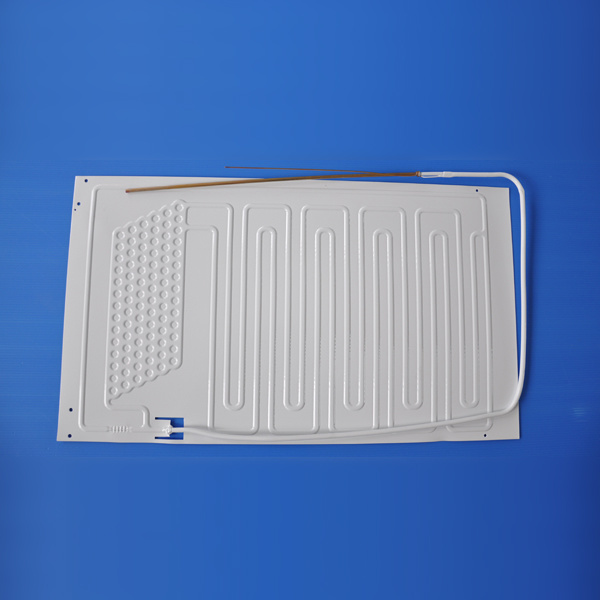
One of the standout features of Rollbond plates is their unique design, which involves the bonding of two aluminum sheets through a rolling process, creating a series of channels. This design not only helps in minimizing the overall weight of the equipment but also allows for enhanced surface area, leading to improved heat transfer capabilities.
Advantages of Rollbond Plates in Refrigeration Equipment
The adoption of Rollbond plates in refrigeration systems presents several notable advantages:
1. Improved Heat Transfer Efficiency
Rollbond plates provide greater surface area for heat exchange, leading to enhanced thermal performance. This means that refrigerants can absorb and release heat more effectively, resulting in better cooling performance.
2. Lightweight Design
The lightweight nature of Rollbond plates simplifies installation and reduces the overall weight of refrigeration equipment. This can lead to lower transportation costs and easier handling during installation.
3. Compact Size
The compact design of Rollbond plates makes them ideal for applications where space is limited. Their efficient heat transfer properties mean that smaller units can achieve similar performance levels to larger, traditional heat exchangers.
4. Corrosion Resistance
Many Rollbond plates are made from materials that offer excellent resistance to corrosion, extending the lifespan of the equipment and reducing maintenance costs over time.
5. Energy Efficiency
With their improved heat transfer capabilities, Rollbond plates contribute to energy savings. Efficient refrigeration systems consume less power, ultimately leading to lower electricity bills and a reduced carbon footprint.
Energy Efficiency and Cost Savings
In today's environmentally conscious market, energy efficiency is a primary concern for manufacturers and consumers alike. Rollbond plates play a significant role in enhancing the energy efficiency of refrigeration equipment.
1. Reduced Energy Consumption
By optimizing the heat transfer process, Rollbond plates require less energy to maintain desired temperatures. This results in a significant reduction in energy consumption, making refrigeration systems not only more efficient but also more sustainable.
2. Lower Operational Costs
Energy savings translate directly into lower operational costs. Businesses leveraging Rollbond technology can expect quicker returns on investment, as reduced energy bills contribute to overall profitability.
3. Eco-Friendly Refrigeration Solutions
As industries strive to reduce their environmental impact, the energy efficiency offered by Rollbond plates aligns perfectly with these goals. They contribute to greener refrigeration solutions, helping companies meet regulatory standards and consumer demands for sustainability.
Applications of Rollbond Plates in Various Industries
The versatility of Rollbond plates allows them to be utilized across a broad spectrum of industries. Here are some examples of where these innovative components are making a difference:
1. Food and Beverage Industry
In the food and beverage sector, maintaining strict temperature controls is vital for food safety. Rollbond plates are used in refrigeration units to ensure that perishable goods are stored at safe temperatures, thereby extending shelf life and enhancing overall product quality.
2. HVAC Systems
Heating, ventilation, and air conditioning (HVAC) systems benefit from Rollbond plates due to their efficient heat exchange capabilities. This technology enables HVAC systems to operate more effectively, providing consistent climate control in commercial and residential buildings.
3. Industrial Refrigeration
Manufacturing plants and warehouses that rely on large-scale refrigeration systems are increasingly adopting Rollbond plates. Their ability to efficiently manage large volumes of refrigerants makes them ideal for industrial applications where performance is critical.
4. Automotive Refrigeration
Rollbond plates are also employed in automotive air conditioning systems. Their compact design and excellent heat transfer properties contribute to the overall efficiency of vehicle climate control systems.
5. Pharmaceutical Refrigeration
In the pharmaceutical industry, temperature-sensitive medications require precise refrigeration. Rollbond plates ensure that these products are stored under optimal conditions, safeguarding their efficacy and safety.
Design and Manufacturing Process of Rollbond Plates
The production of Rollbond plates involves several critical steps that ensure high-quality performance and durability:
1. Material Selection
Choosing the right materials is fundamental. Manufacturers typically select aluminum due to its excellent thermal conductivity, lightweight properties, and resistance to corrosion.
2. Rollbonding Process
The manufacturing process begins with the roll bonding of two aluminum sheets. This process creates a series of channels for the refrigerant to flow through, maximizing surface area for heat exchange.
3. Quality Control
Strict quality control measures are implemented to ensure that each Rollbond plate meets industry standards. This includes testing for thermal performance, durability, and resistance to leaks.
4. Customization Options
Manufacturers often offer customization options to meet specific application needs. This flexibility allows businesses to optimize their refrigeration systems for unique operational requirements.
Challenges in Implementing Rollbond Plates and Their Solutions
While Rollbond plates offer numerous advantages, certain challenges can arise during their implementation:
1. Initial Cost Considerations
Although Rollbond plates provide long-term savings, their initial cost can deter some businesses. Solutions include demonstrating the total cost of ownership, which highlights savings in energy and maintenance over time.
2. Technical Expertise
Implementing Rollbond technology may require specialized knowledge. Training programs and partnerships with experienced manufacturers can bridge this knowledge gap.
3. Integration with Existing Systems
Incorporating Rollbond plates into existing refrigeration systems can pose compatibility challenges. Working closely with manufacturers during the design phase can ensure seamless integration.
Future Innovations in Rollbond Technology
As technology advances, the future of Rollbond plates looks promising. Innovations may include:
1. Enhanced Materials
Research into new materials that can further improve heat transfer efficiency and durability is ongoing. Future Rollbond plates may utilize advanced composites or other materials to enhance performance.
2. Smart Refrigeration Systems
Integration with IoT technology may lead to the development of smart refrigeration systems that utilize Rollbond plates. This could enable real-time monitoring and optimization of refrigeration performance.
3. Sustainable Manufacturing Practices
As sustainability becomes increasingly important, manufacturers may adopt greener production processes, further enhancing the eco-friendliness of Rollbond plates.
Conclusion
Rollbond plates represent a significant advancement in refrigeration technology, providing enhanced performance, energy efficiency, and reliability across a wide range of applications. Their lightweight design, improved heat transfer capability, and resistance to corrosion make them an ideal choice for modern refrigeration systems. As industries continue to prioritize sustainability and efficiency, the role of Rollbond plates will undoubtedly grow, paving the way for a new era of refrigeration solutions.
FAQs about Rollbond Plates and Refrigeration Equipment
1. What are Rollbond plates?
Rollbond plates are specialized heat exchangers made from aluminum that enhance the efficiency of refrigeration equipment by providing improved heat transfer capabilities.
2. How do Rollbond plates improve energy efficiency?
By maximizing heat transfer through their compact design and increased surface area, Rollbond plates reduce energy consumption in refrigeration systems.
3. What industries use Rollbond plates?
Rollbond plates are utilized in various industries, including food and beverage, HVAC, industrial refrigeration, automotive, and pharmaceuticals.
4. Can Rollbond plates be customized for specific applications?
Yes, manufacturers often offer customization options to meet the unique needs of different refrigeration applications.
5. What are the challenges of using Rollbond plates?
Challenges include initial cost, the need for technical expertise, and integration with existing systems, which can be addressed through training and collaboration with manufacturers.
Mobile website


language
English
العربية
বাংলাদেশ
Български
Hrvatski
Česky
Dansk
Nederland
 Esperanto
Slovenski
Filipino
Suomi
Français
Maori
 Shqiptare
Georgian
 Euskara
Deutsch
Ελλάδα
ישראל
इंडिया
Magyarország
Ísland
Indonesia
Irlanda
Italia
日本語
Sovensko
Հայաստան
한국
Kyrgyz
ປະເທດລາວ
 Zulu
Latvian
Lithuanian
Luxembourgish
 Latinus
Macedonian
Малайская
Maltese
Монгол улс
 Cymraeg
ဗမာ
 தமிழ்
नेपाल
Norge
ایران
Polska
Portugal
România
Российская
Србија
 Slovak
Србија
 Slovak
Bosanski
Slovenian
Беларус
España
Sverige
Точик
ประเทศไทย
Türk
Azərbaycan
Uzbek
 Afrikaans
Việt Nam
Tel: 0086-13775291367
E-mail: michael@xinxincool.com
ADD:No. 32 Tianshan Road, Xinqiao Town, Xinbei District, Changzhou City, Jiangsu Province
Copyright © 2024 Changzhou Xinxin Refrigeration Equipment Co., Ltd.