

Understanding the Role of Rollbond Plates in Industrial Cooling Equipment
In the industrial cooling sector, rollbond plates have emerged as crucial components that enhance the efficiency and performance of refrigeration systems. These plates, fabricated from thin metals through a specialized rolling process, offer unique properties that make them suitable for various cooling applications. At its core, a rollbond plate is designed to facilitate efficient heat exchange. T
Published:
2026-03-25
source:
author:
In the industrial cooling sector, rollbond plates have emerged as crucial components that enhance the efficiency and performance of refrigeration systems. These plates, fabricated from thin metals through a specialized rolling process, offer unique properties that make them suitable for various cooling applications.
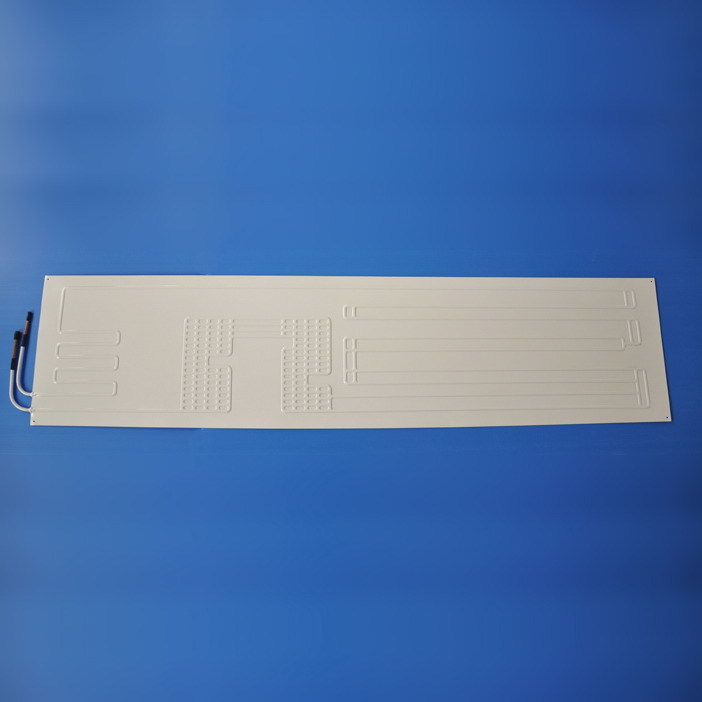
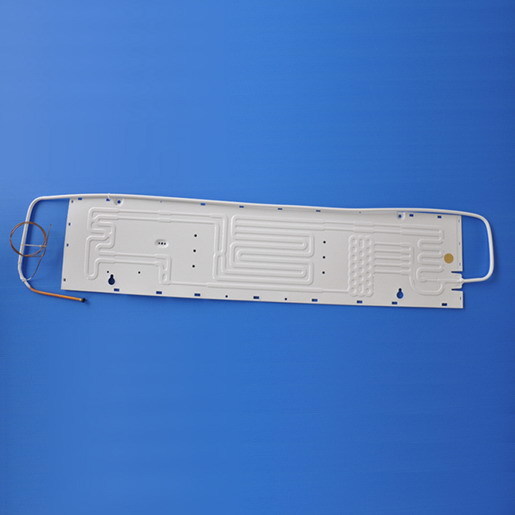
At its core, a rollbond plate is designed to facilitate efficient heat exchange. The plate's structure consists of a series of channels or grooves that increase the surface area for thermal transfer. By maximizing this contact area, rollbond plates allow for improved heat absorption and dissipation, making them particularly effective in cooling environments where space is limited. This feature is particularly beneficial in large-scale industrial operations, where optimizing heat exchange is essential for maintaining desired temperature levels.
One of the key advantages of using rollbond plates in refrigeration systems is their lightweight nature. The thin design not only reduces the overall weight of the cooling units but also simplifies installation and maintenance processes. Professionals in the industry appreciate that lighter components can lead to lower operational costs and enhanced mobility of the cooling systems, which is a significant factor in many industrial settings.
Moreover, rollbond plates are known for their durability and resistance to corrosion. Depending on the material used, these plates can withstand varying environmental conditions, ensuring longevity and reliability in demanding applications. This resilience is crucial in industries where equipment is subjected to thermal cycles and potential exposure to various chemicals. By incorporating rollbond plates into their designs, manufacturers can extend the lifespan of their cooling systems and reduce the frequency of replacements and repairs.
In terms of applications, rollbond plates are widely utilized across various sectors, including food processing, pharmaceuticals, and chemical manufacturing. In these industries, maintaining precise temperature control is vital for product quality and safety. Rollbond plates contribute significantly by allowing for rapid temperature adjustments and maintaining consistent cooling performance, which is essential in preserving the integrity of temperature-sensitive materials.
In addition to these practical applications, the development and integration of rollbond technology continue to evolve. Innovations in manufacturing techniques and materials promise to further enhance the capabilities of rollbond plates, making them increasingly efficient and adaptable to diverse industrial needs.
In conclusion, understanding the role of rollbond plates in industrial cooling equipment provides valuable insights for professionals in the refrigeration industry. Their lightweight design, enhanced heat exchange efficiency, durability, and versatility make them an indispensable element of modern cooling systems. As the demand for effective cooling solutions grows, embracing technologies like rollbond plates will be crucial for achieving optimal performance and sustainability in industrial applications.
At its core, a rollbond plate is designed to facilitate efficient heat exchange. The plate's structure consists of a series of channels or grooves that increase the surface area for thermal transfer. By maximizing this contact area, rollbond plates allow for improved heat absorption and dissipation, making them particularly effective in cooling environments where space is limited. This feature is particularly beneficial in large-scale industrial operations, where optimizing heat exchange is essential for maintaining desired temperature levels.
One of the key advantages of using rollbond plates in refrigeration systems is their lightweight nature. The thin design not only reduces the overall weight of the cooling units but also simplifies installation and maintenance processes. Professionals in the industry appreciate that lighter components can lead to lower operational costs and enhanced mobility of the cooling systems, which is a significant factor in many industrial settings.
Moreover, rollbond plates are known for their durability and resistance to corrosion. Depending on the material used, these plates can withstand varying environmental conditions, ensuring longevity and reliability in demanding applications. This resilience is crucial in industries where equipment is subjected to thermal cycles and potential exposure to various chemicals. By incorporating rollbond plates into their designs, manufacturers can extend the lifespan of their cooling systems and reduce the frequency of replacements and repairs.
In terms of applications, rollbond plates are widely utilized across various sectors, including food processing, pharmaceuticals, and chemical manufacturing. In these industries, maintaining precise temperature control is vital for product quality and safety. Rollbond plates contribute significantly by allowing for rapid temperature adjustments and maintaining consistent cooling performance, which is essential in preserving the integrity of temperature-sensitive materials.
In addition to these practical applications, the development and integration of rollbond technology continue to evolve. Innovations in manufacturing techniques and materials promise to further enhance the capabilities of rollbond plates, making them increasingly efficient and adaptable to diverse industrial needs.
In conclusion, understanding the role of rollbond plates in industrial cooling equipment provides valuable insights for professionals in the refrigeration industry. Their lightweight design, enhanced heat exchange efficiency, durability, and versatility make them an indispensable element of modern cooling systems. As the demand for effective cooling solutions grows, embracing technologies like rollbond plates will be crucial for achieving optimal performance and sustainability in industrial applications.
Hot News


Mobile website


language
English
العربية
বাংলাদেশ
Български
Hrvatski
Česky
Dansk
Nederland
 Esperanto
Slovenski
Filipino
Suomi
Français
Maori
 Shqiptare
Georgian
 Euskara
Deutsch
Ελλάδα
ישראל
इंडिया
Magyarország
Ísland
Indonesia
Irlanda
Italia
日本語
Sovensko
Հայաստան
한국
Kyrgyz
ປະເທດລາວ
 Zulu
Zulu
Latvian
Lithuanian
Luxembourgish
 Latinus
Macedonian
Малайская
Maltese
Монгол улс
 Cymraeg
ဗမာ
 தமிழ்
தமிழ்
नेपाल
Norge
ایران
Polska
Portugal
România
Российская
Србија
 Slovak
Србија
 Slovak
Bosanski
Slovenian
Беларус
España
Sverige
Точик
ประเทศไทย
Türk
Azərbaycan
Uzbek
 Afrikaans
Việt Nam
Tel: 0086-13775291367
E-mail: michael@xinxincool.com
ADD:No. 32 Tianshan Road, Xinqiao Town, Xinbei District, Changzhou City, Jiangsu Province
Copyright © 2024 Changzhou Xinxin Refrigeration Equipment Co., Ltd.