

How Aluminum Plates Improve Refrigerator Performance: A Comprehensive Guide
## Table of Contents 1. Introduction 2. Understanding the Role of Aluminum Plates in Refrigeration 3. Enhancing Energy Efficiency with Aluminum Plates 4. Improved Cooling Capacity and Thermal Conductivity 5. Durability and Corrosion Resistance 6. Lightweight Design for Easy Installation and Maintenance 7. Noise Reduction and Vibration Dampening 8. FAQs 1. Can aluminum plates be used in all type
Published:
2023-10-07
source:
author:
## Table of Contents
1. Introduction
2. Understanding the Role of Aluminum Plates in Refrigeration
3. Enhancing Energy Efficiency with Aluminum Plates
4. Improved Cooling Capacity and Thermal Conductivity
5. Durability and Corrosion Resistance
6. Lightweight Design for Easy Installation and Maintenance
7. Noise Reduction and Vibration Dampening
8. FAQs
1. Can aluminum plates be used in all types of refrigerators?
2. Are aluminum plates compatible with other refrigeration components?
3. How do aluminum plates contribute to energy savings?
4. Do aluminum plates require specialized maintenance?
5. Can aluminum plates be retrofitted into existing refrigerators?
9. Conclusion
## 1. Introduction
In today's world, where energy efficiency and sustainability are essential considerations, optimizing the performance of household appliances such as refrigerators is crucial. Aluminum plates play a crucial role in enhancing refrigerator performance, offering a multitude of benefits that positively impact energy consumption, cooling capacity, and overall functionality.
## 2. Understanding the Role of Aluminum Plates in Refrigeration
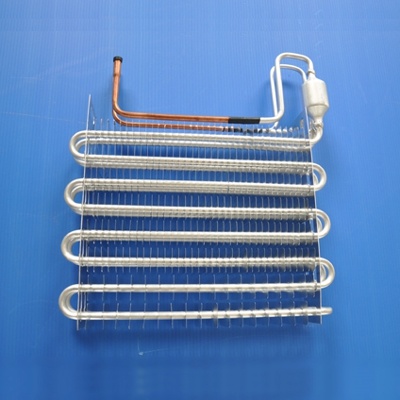
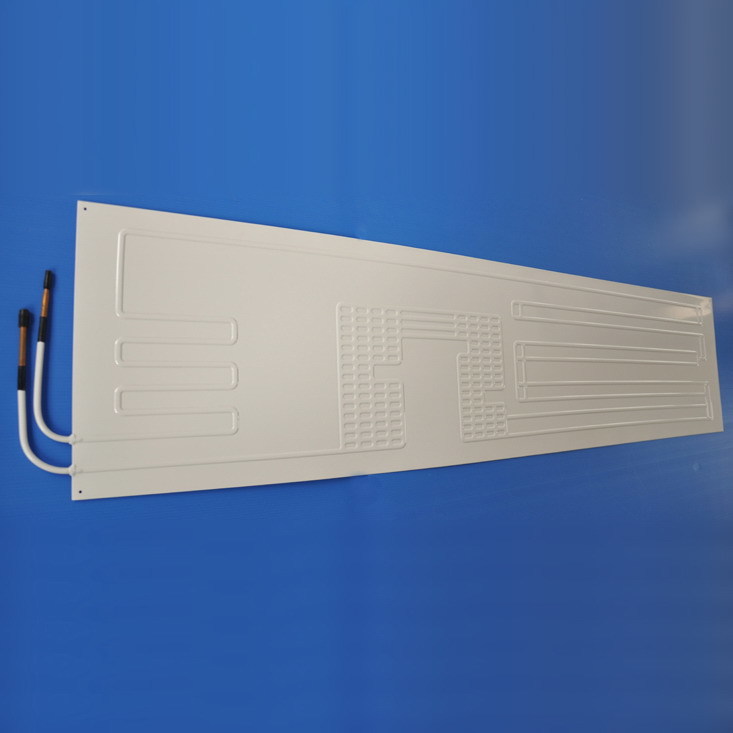
Aluminum plates are widely used in refrigeration systems due to their excellent thermal conductivity, lightweight design, and corrosion resistance. These plates are strategically placed within the refrigerator to improve heat transfer, ensuring efficient cooling throughout the appliance.
## 3. Enhancing Energy Efficiency with Aluminum Plates
One of the significant advantages of using aluminum plates in refrigeration is their ability to enhance energy efficiency. The high thermal conductivity of aluminum allows for faster heat transfer, reducing the workload on the compressor and other components. This results in lower energy consumption and reduced electricity bills.
## 4. Improved Cooling Capacity and Thermal Conductivity
Aluminum plates offer superior thermal conductivity compared to other materials used in refrigeration systems. This means that heat is efficiently transferred from the interior of the refrigerator to the aluminum plates, allowing for faster and more effective cooling. The improved cooling capacity ensures optimal temperature control, keeping your food fresh for longer periods.
## 5. Durability and Corrosion Resistance
Aluminum plates are known for their durability and corrosion resistance. They can withstand the harsh conditions within refrigeration systems, including moisture and temperature fluctuations, without compromising their performance. This durability ensures the longevity of the refrigerator and reduces the need for frequent repairs or replacements.
## 6. Lightweight Design for Easy Installation and Maintenance
The lightweight nature of aluminum plates makes them easy to handle, install, and maintain. Unlike heavier materials, aluminum plates can be easily maneuvered during installation and do not add unnecessary weight to the refrigerator. Additionally, their lightweight design simplifies maintenance tasks, allowing for hassle-free upkeep of the appliance.
## 7. Noise Reduction and Vibration Dampening
Refrigerators can generate noise and vibrations during operation, which can be disruptive and inconvenient. Aluminum plates help mitigate these issues by absorbing and dampening vibrations, resulting in quieter refrigerator operation. This improves the overall user experience and ensures a peaceful environment in your home.
## 8. FAQs
### 1. Can aluminum plates be used in all types of refrigerators?
Yes, aluminum plates can be used in various types of refrigerators, including both residential and commercial models. They are compatible with different refrigeration systems and can be customized to fit specific requirements.
### 2. Are aluminum plates compatible with other refrigeration components?
Absolutely. Aluminum plates work seamlessly with other refrigeration components and can be integrated into existing systems without any compatibility issues.
### 3. How do aluminum plates contribute to energy savings?
Aluminum plates enhance energy savings by improving heat transfer, reducing the workload on the compressor, and enabling faster and more efficient cooling. This leads to reduced energy consumption and lower electricity bills.
### 4. Do aluminum plates require specialized maintenance?
No, aluminum plates do not require specialized maintenance. Regular cleaning and inspection to ensure optimal performance are typically sufficient. Consult the manufacturer's guidelines for specific maintenance recommendations.
### 5. Can aluminum plates be retrofitted into existing refrigerators?
Yes, aluminum plates can be retrofitted into existing refrigerators, offering an excellent solution for upgrading older models. Consult a professional technician for proper installation and compatibility assessment.
## 9. Conclusion
In conclusion, aluminum plates play a vital role in enhancing refrigerator performance. Their superior thermal conductivity, lightweight design, durability, and noise reduction capabilities make them an excellent choice for optimizing cooling efficiency. By incorporating aluminum plates into refrigeration systems, you can enjoy improved energy efficiency, enhanced cooling capacity, and a longer lifespan for your refrigerator. Upgrade your appliance with aluminum plates and experience the benefits firsthand.
1. Introduction
2. Understanding the Role of Aluminum Plates in Refrigeration
3. Enhancing Energy Efficiency with Aluminum Plates
4. Improved Cooling Capacity and Thermal Conductivity
5. Durability and Corrosion Resistance
6. Lightweight Design for Easy Installation and Maintenance
7. Noise Reduction and Vibration Dampening
8. FAQs
1. Can aluminum plates be used in all types of refrigerators?
2. Are aluminum plates compatible with other refrigeration components?
3. How do aluminum plates contribute to energy savings?
4. Do aluminum plates require specialized maintenance?
5. Can aluminum plates be retrofitted into existing refrigerators?
9. Conclusion
## 1. Introduction
In today's world, where energy efficiency and sustainability are essential considerations, optimizing the performance of household appliances such as refrigerators is crucial. Aluminum plates play a crucial role in enhancing refrigerator performance, offering a multitude of benefits that positively impact energy consumption, cooling capacity, and overall functionality.
## 2. Understanding the Role of Aluminum Plates in Refrigeration
Aluminum plates are widely used in refrigeration systems due to their excellent thermal conductivity, lightweight design, and corrosion resistance. These plates are strategically placed within the refrigerator to improve heat transfer, ensuring efficient cooling throughout the appliance.
## 3. Enhancing Energy Efficiency with Aluminum Plates
One of the significant advantages of using aluminum plates in refrigeration is their ability to enhance energy efficiency. The high thermal conductivity of aluminum allows for faster heat transfer, reducing the workload on the compressor and other components. This results in lower energy consumption and reduced electricity bills.
## 4. Improved Cooling Capacity and Thermal Conductivity
Aluminum plates offer superior thermal conductivity compared to other materials used in refrigeration systems. This means that heat is efficiently transferred from the interior of the refrigerator to the aluminum plates, allowing for faster and more effective cooling. The improved cooling capacity ensures optimal temperature control, keeping your food fresh for longer periods.
## 5. Durability and Corrosion Resistance
Aluminum plates are known for their durability and corrosion resistance. They can withstand the harsh conditions within refrigeration systems, including moisture and temperature fluctuations, without compromising their performance. This durability ensures the longevity of the refrigerator and reduces the need for frequent repairs or replacements.
## 6. Lightweight Design for Easy Installation and Maintenance
The lightweight nature of aluminum plates makes them easy to handle, install, and maintain. Unlike heavier materials, aluminum plates can be easily maneuvered during installation and do not add unnecessary weight to the refrigerator. Additionally, their lightweight design simplifies maintenance tasks, allowing for hassle-free upkeep of the appliance.
## 7. Noise Reduction and Vibration Dampening
Refrigerators can generate noise and vibrations during operation, which can be disruptive and inconvenient. Aluminum plates help mitigate these issues by absorbing and dampening vibrations, resulting in quieter refrigerator operation. This improves the overall user experience and ensures a peaceful environment in your home.
## 8. FAQs
### 1. Can aluminum plates be used in all types of refrigerators?
Yes, aluminum plates can be used in various types of refrigerators, including both residential and commercial models. They are compatible with different refrigeration systems and can be customized to fit specific requirements.
### 2. Are aluminum plates compatible with other refrigeration components?
Absolutely. Aluminum plates work seamlessly with other refrigeration components and can be integrated into existing systems without any compatibility issues.
### 3. How do aluminum plates contribute to energy savings?
Aluminum plates enhance energy savings by improving heat transfer, reducing the workload on the compressor, and enabling faster and more efficient cooling. This leads to reduced energy consumption and lower electricity bills.
### 4. Do aluminum plates require specialized maintenance?
No, aluminum plates do not require specialized maintenance. Regular cleaning and inspection to ensure optimal performance are typically sufficient. Consult the manufacturer's guidelines for specific maintenance recommendations.
### 5. Can aluminum plates be retrofitted into existing refrigerators?
Yes, aluminum plates can be retrofitted into existing refrigerators, offering an excellent solution for upgrading older models. Consult a professional technician for proper installation and compatibility assessment.
## 9. Conclusion
In conclusion, aluminum plates play a vital role in enhancing refrigerator performance. Their superior thermal conductivity, lightweight design, durability, and noise reduction capabilities make them an excellent choice for optimizing cooling efficiency. By incorporating aluminum plates into refrigeration systems, you can enjoy improved energy efficiency, enhanced cooling capacity, and a longer lifespan for your refrigerator. Upgrade your appliance with aluminum plates and experience the benefits firsthand.
Hot News

Mobile website


language
English
العربية
বাংলাদেশ
Български
Hrvatski
Česky
Dansk
Nederland
 Esperanto
Slovenski
Filipino
Suomi
Français
Maori
 Shqiptare
Georgian
 Euskara
Deutsch
Ελλάδα
ישראל
इंडिया
Magyarország
Ísland
Indonesia
Irlanda
Italia
日本語
Sovensko
Հայաստան
한국
Kyrgyz
ປະເທດລາວ
 Zulu
Zulu
Latvian
Lithuanian
Luxembourgish
 Latinus
Macedonian
Малайская
Maltese
Монгол улс
 Cymraeg
ဗမာ
 தமிழ்
தமிழ்
नेपाल
Norge
ایران
Polska
Portugal
România
Российская
Србија
 Slovak
Србија
 Slovak
Bosanski
Slovenian
Беларус
España
Sverige
Точик
ประเทศไทย
Türk
Azərbaycan
Uzbek
 Afrikaans
Việt Nam
Tel: 0086-13775291367
E-mail: michael@xinxincool.com
ADD:No. 32 Tianshan Road, Xinqiao Town, Xinbei District, Changzhou City, Jiangsu Province
Copyright © 2024 Changzhou Xinxin Refrigeration Equipment Co., Ltd.