

How Refrigeration Evaporators Improve Heat Transfer in Industrial Equipment
Table of Contents: 1. Introduction 2. Understanding the Role of Refrigeration Evaporators in Industrial Equipment 3. Types of Refrigeration Evaporators and Their Functionality 4. Key Benefits of Incorporating Refrigeration Evaporators in Industrial Equipment 5. Factors to Consider When Choosing Refrigeration Evaporators 6. FAQs 7. Conclusion 1. Introduction In the realm of industrial equipment, ef
Published:
2023-09-23
source:
author:
Table of Contents:
1. Introduction
2. Understanding the Role of Refrigeration Evaporators in Industrial Equipment
3. Types of Refrigeration Evaporators and Their Functionality
4. Key Benefits of Incorporating Refrigeration Evaporators in Industrial Equipment
5. Factors to Consider When Choosing Refrigeration Evaporators
6. FAQs
7. Conclusion
1. Introduction
In the realm of industrial equipment, efficient heat transfer plays a crucial role in enhancing overall system performance and productivity. One of the key components that significantly contribute to optimizing heat transfer is the refrigeration evaporator. In this article, we will delve into the importance of refrigeration evaporators in industrial equipment and explore the various benefits they offer in improving heat transfer efficiency.
2. Understanding the Role of Refrigeration Evaporators in Industrial Equipment
Refrigeration evaporators serve as a vital component in industrial equipment that facilitates the transfer of heat from the targeted area to be cooled. These evaporators work on the principle of absorbing heat from the surroundings, thereby cooling down the environment. By utilizing the refrigeration cycle, these evaporators play a pivotal role in maintaining the desired temperature within industrial processes, thus ensuring smooth operations and optimal performance.
3. Types of Refrigeration Evaporators and Their Functionality
There are several types of refrigeration evaporators available in the market today, each designed to cater to specific industrial applications. Some common types include:
H2:
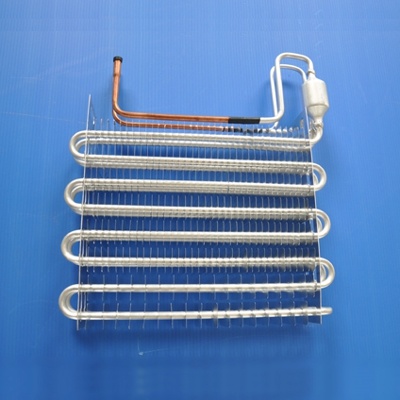
Finned tube evaporators feature a series of tubes with extended aluminum or copper fins attached to them. These fins increase the surface area for heat transfer, effectively enhancing the cooling capacity of the evaporator. This type of evaporator is widely used in air conditioning systems and industrial refrigeration units.
H3:
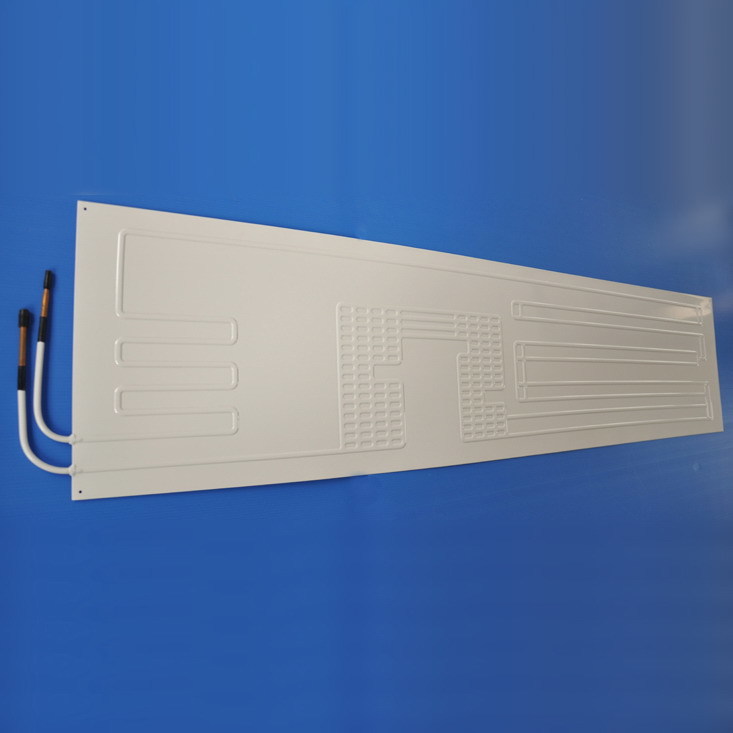
Plate evaporators consist of a series of plates that are stacked together. These plates, typically made of stainless steel, are designed with channels or cavities to allow the flow of the refrigerant. Due to their compact design, plate evaporators are commonly utilized in refrigeration systems where space is limited.
H3:
Shell and tube evaporators are widely employed in various industrial processes. They consist of a shell, within which numerous tubes are positioned. The refrigerant flows through these tubes, while the medium to be cooled surrounds the tubes. This design allows for efficient heat transfer and is suitable for applications requiring high heat transfer rates, such as petrochemical and power plants.
4. Key Benefits of Incorporating Refrigeration Evaporators in Industrial Equipment
H2:
Refrigeration evaporators significantly improve heat transfer efficiency in industrial equipment. The designed surface area and the use of specialized materials, like fins in finned tube evaporators, maximize the contact between the refrigerant and the medium to be cooled. This enhanced heat transfer capability results in faster and more efficient cooling, reducing downtime and enhancing overall productivity.
H2:
By effectively transferring heat from the industrial equipment to the surrounding environment, refrigeration evaporators contribute to improved energy efficiency. Efficient heat transfer reduces the workload on cooling systems, ensuring that they function optimally without consuming excessive energy. This leads to cost savings and a greener approach to industrial operations.
H2:
Refrigeration evaporators play a vital role in maintaining precise temperature control within industrial processes. By facilitating the removal of heat from the system, evaporators enable precise adjustment of the desired temperature. This is particularly crucial in industries where temperature sensitivity is paramount, such as pharmaceuticals, food processing, and chemical manufacturing.
H2:
The compact design of refrigeration evaporators, especially plate evaporators, allows for efficient space utilization within industrial equipment. The ability to incorporate these evaporators in smaller spaces ensures flexibility in system design and installation, making them suitable for diverse industrial applications.
H2:
Efficient heat transfer facilitated by refrigeration evaporators contributes to the overall health and longevity of industrial equipment. By effectively removing excess heat, evaporators prevent overheating and related issues, thus minimizing wear and tear on critical components. This translates into a prolonged lifespan for equipment, reducing maintenance costs and downtime.
5. Factors to Consider When Choosing Refrigeration Evaporators
When selecting refrigeration evaporators for industrial equipment, several factors need to be taken into consideration:
- Specific heat transfer requirements
- Compatibility with the refrigeration system
- Available space for installation
- Environmental and operational conditions
- Cost-effectiveness and maintenance requirements
6. FAQs
Q1: How do refrigeration evaporators improve heat transfer efficiency in industrial equipment?
Q2: What are the different types of refrigeration evaporators and their functionalities?
Q3: Can refrigeration evaporators help in maintaining precise temperature control?
Q4: Do refrigeration evaporators contribute to energy efficiency in industrial operations?
Q5: Are there any maintenance requirements for refrigeration evaporators?
7. Conclusion
Refrigeration evaporators play a crucial role in improving heat transfer efficiency within industrial equipment. By enhancing heat dissipation, optimizing energy consumption, enabling precise temperature control, and extending equipment lifespan, these evaporators contribute significantly to overall system performance and productivity. Understanding the different types of evaporators and considering various factors when choosing them ensures optimal heat transfer solutions tailored to specific industrial applications. Embrace the power of refrigeration evaporators and unlock the potential for enhanced heat transfer in your industrial equipment.
1. Introduction
2. Understanding the Role of Refrigeration Evaporators in Industrial Equipment
3. Types of Refrigeration Evaporators and Their Functionality
4. Key Benefits of Incorporating Refrigeration Evaporators in Industrial Equipment
5. Factors to Consider When Choosing Refrigeration Evaporators
6. FAQs
7. Conclusion
1. Introduction
In the realm of industrial equipment, efficient heat transfer plays a crucial role in enhancing overall system performance and productivity. One of the key components that significantly contribute to optimizing heat transfer is the refrigeration evaporator. In this article, we will delve into the importance of refrigeration evaporators in industrial equipment and explore the various benefits they offer in improving heat transfer efficiency.
2. Understanding the Role of Refrigeration Evaporators in Industrial Equipment
Refrigeration evaporators serve as a vital component in industrial equipment that facilitates the transfer of heat from the targeted area to be cooled. These evaporators work on the principle of absorbing heat from the surroundings, thereby cooling down the environment. By utilizing the refrigeration cycle, these evaporators play a pivotal role in maintaining the desired temperature within industrial processes, thus ensuring smooth operations and optimal performance.
3. Types of Refrigeration Evaporators and Their Functionality
There are several types of refrigeration evaporators available in the market today, each designed to cater to specific industrial applications. Some common types include:
H2:
Finned tube evaporators feature a series of tubes with extended aluminum or copper fins attached to them. These fins increase the surface area for heat transfer, effectively enhancing the cooling capacity of the evaporator. This type of evaporator is widely used in air conditioning systems and industrial refrigeration units.
H3:
Plate evaporators consist of a series of plates that are stacked together. These plates, typically made of stainless steel, are designed with channels or cavities to allow the flow of the refrigerant. Due to their compact design, plate evaporators are commonly utilized in refrigeration systems where space is limited.
H3:
Shell and tube evaporators are widely employed in various industrial processes. They consist of a shell, within which numerous tubes are positioned. The refrigerant flows through these tubes, while the medium to be cooled surrounds the tubes. This design allows for efficient heat transfer and is suitable for applications requiring high heat transfer rates, such as petrochemical and power plants.
4. Key Benefits of Incorporating Refrigeration Evaporators in Industrial Equipment
H2:
Refrigeration evaporators significantly improve heat transfer efficiency in industrial equipment. The designed surface area and the use of specialized materials, like fins in finned tube evaporators, maximize the contact between the refrigerant and the medium to be cooled. This enhanced heat transfer capability results in faster and more efficient cooling, reducing downtime and enhancing overall productivity.
H2:
By effectively transferring heat from the industrial equipment to the surrounding environment, refrigeration evaporators contribute to improved energy efficiency. Efficient heat transfer reduces the workload on cooling systems, ensuring that they function optimally without consuming excessive energy. This leads to cost savings and a greener approach to industrial operations.
H2:
Refrigeration evaporators play a vital role in maintaining precise temperature control within industrial processes. By facilitating the removal of heat from the system, evaporators enable precise adjustment of the desired temperature. This is particularly crucial in industries where temperature sensitivity is paramount, such as pharmaceuticals, food processing, and chemical manufacturing.
H2:
The compact design of refrigeration evaporators, especially plate evaporators, allows for efficient space utilization within industrial equipment. The ability to incorporate these evaporators in smaller spaces ensures flexibility in system design and installation, making them suitable for diverse industrial applications.
H2:
Efficient heat transfer facilitated by refrigeration evaporators contributes to the overall health and longevity of industrial equipment. By effectively removing excess heat, evaporators prevent overheating and related issues, thus minimizing wear and tear on critical components. This translates into a prolonged lifespan for equipment, reducing maintenance costs and downtime.
5. Factors to Consider When Choosing Refrigeration Evaporators
When selecting refrigeration evaporators for industrial equipment, several factors need to be taken into consideration:
- Specific heat transfer requirements
- Compatibility with the refrigeration system
- Available space for installation
- Environmental and operational conditions
- Cost-effectiveness and maintenance requirements
6. FAQs
Q1: How do refrigeration evaporators improve heat transfer efficiency in industrial equipment?
Q2: What are the different types of refrigeration evaporators and their functionalities?
Q3: Can refrigeration evaporators help in maintaining precise temperature control?
Q4: Do refrigeration evaporators contribute to energy efficiency in industrial operations?
Q5: Are there any maintenance requirements for refrigeration evaporators?
7. Conclusion
Refrigeration evaporators play a crucial role in improving heat transfer efficiency within industrial equipment. By enhancing heat dissipation, optimizing energy consumption, enabling precise temperature control, and extending equipment lifespan, these evaporators contribute significantly to overall system performance and productivity. Understanding the different types of evaporators and considering various factors when choosing them ensures optimal heat transfer solutions tailored to specific industrial applications. Embrace the power of refrigeration evaporators and unlock the potential for enhanced heat transfer in your industrial equipment.
Hot News

Mobile website


language
English
العربية
বাংলাদেশ
Български
Hrvatski
Česky
Dansk
Nederland
 Esperanto
Slovenski
Filipino
Suomi
Français
Maori
 Shqiptare
Georgian
 Euskara
Deutsch
Ελλάδα
ישראל
इंडिया
Magyarország
Ísland
Indonesia
Irlanda
Italia
日本語
Sovensko
Հայաստան
한국
Kyrgyz
ປະເທດລາວ
 Zulu
Zulu
Latvian
Lithuanian
Luxembourgish
 Latinus
Macedonian
Малайская
Maltese
Монгол улс
 Cymraeg
ဗမာ
 தமிழ்
தமிழ்
नेपाल
Norge
ایران
Polska
Portugal
România
Российская
Србија
 Slovak
Србија
 Slovak
Bosanski
Slovenian
Беларус
España
Sverige
Точик
ประเทศไทย
Türk
Azərbaycan
Uzbek
 Afrikaans
Việt Nam
Tel: 0086-13775291367
E-mail: michael@xinxincool.com
ADD:No. 32 Tianshan Road, Xinqiao Town, Xinbei District, Changzhou City, Jiangsu Province
Copyright © 2024 Changzhou Xinxin Refrigeration Equipment Co., Ltd.