

Introduction to Refrigeration Evaporators in Industrial Heat Transfer Equipment
Refrigeration evaporators are critical components in industrial heat transfer equipment, specifically in the realm of refrigeration systems. They play a vital role in the cooling process by facilitating the transfer of heat from the desired area to be cooled, such as a room or a refrigerated unit, to the refrigerant. These evaporators consist of a network of tubes or coils that are designed to all
Published:
2023-09-22
source:
author:
Refrigeration evaporators are critical components in industrial heat transfer equipment, specifically in the realm of refrigeration systems. They play a vital role in the cooling process by facilitating the transfer of heat from the desired area to be cooled, such as a room or a refrigerated unit, to the refrigerant.
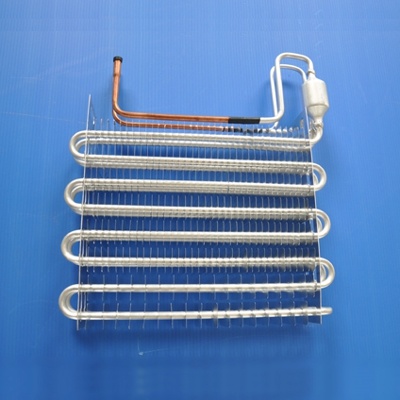
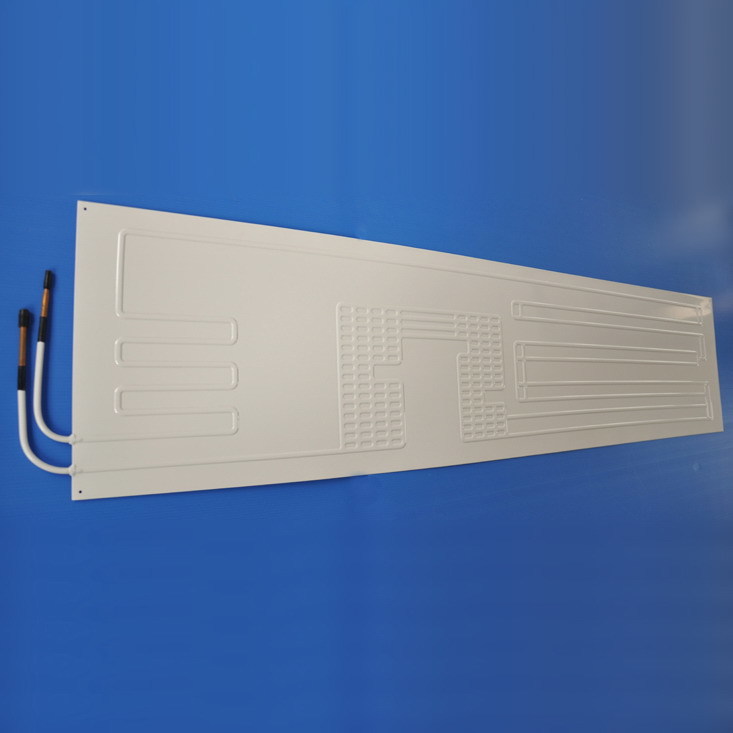
These evaporators consist of a network of tubes or coils that are designed to allow the refrigerant, typically a low-pressure liquid, to absorb heat from its surroundings. As the refrigerant flows through the evaporator, it undergoes a phase change from a liquid to a vapor, absorbing heat energy in the process.
The operation of a refrigeration evaporator involves the continuous circulation of the refrigerant. It enters the evaporator as a low-pressure liquid and passes through the tubes or coils. As the refrigerant absorbs the heat from the surroundings, it evaporates and transforms into a low-temperature, low-pressure vapor.
The heat absorbed by the refrigerant is carried away by the flow of air or another medium over the evaporator coils. This process lowers the temperature of the surrounding environment while maintaining the desired cooling effect. The cooled air can then be circulated to provide a comfortable environment or preserve perishable goods.
Refrigeration evaporators come in various designs to suit different applications and cooling requirements. They can be classified into two main types: air-cooled and liquid-cooled. Air-cooled evaporators use the surrounding air to remove heat, while liquid-cooled evaporators rely on a secondary fluid, such as water or a refrigerant, to carry away the absorbed heat.
Efficiency is a crucial aspect of refrigeration evaporators. Proper design and selection ensure optimal heat transfer and energy efficiency. Factors such as the evaporator's size, surface area, and refrigerant flow rate influence its performance. Regular maintenance, including cleaning the evaporator coils and ensuring proper refrigerant levels, is essential to maintain efficiency and prevent any potential issues.
In conclusion, refrigeration evaporators play a vital role in industrial heat transfer equipment, specifically in refrigeration systems. They facilitate the cooling process by absorbing heat from the surroundings and transferring it to the refrigerant. Understanding the functioning and importance of these components helps ensure optimal performance and efficiency in industrial cooling applications.
These evaporators consist of a network of tubes or coils that are designed to allow the refrigerant, typically a low-pressure liquid, to absorb heat from its surroundings. As the refrigerant flows through the evaporator, it undergoes a phase change from a liquid to a vapor, absorbing heat energy in the process.
The operation of a refrigeration evaporator involves the continuous circulation of the refrigerant. It enters the evaporator as a low-pressure liquid and passes through the tubes or coils. As the refrigerant absorbs the heat from the surroundings, it evaporates and transforms into a low-temperature, low-pressure vapor.
The heat absorbed by the refrigerant is carried away by the flow of air or another medium over the evaporator coils. This process lowers the temperature of the surrounding environment while maintaining the desired cooling effect. The cooled air can then be circulated to provide a comfortable environment or preserve perishable goods.
Refrigeration evaporators come in various designs to suit different applications and cooling requirements. They can be classified into two main types: air-cooled and liquid-cooled. Air-cooled evaporators use the surrounding air to remove heat, while liquid-cooled evaporators rely on a secondary fluid, such as water or a refrigerant, to carry away the absorbed heat.
Efficiency is a crucial aspect of refrigeration evaporators. Proper design and selection ensure optimal heat transfer and energy efficiency. Factors such as the evaporator's size, surface area, and refrigerant flow rate influence its performance. Regular maintenance, including cleaning the evaporator coils and ensuring proper refrigerant levels, is essential to maintain efficiency and prevent any potential issues.
In conclusion, refrigeration evaporators play a vital role in industrial heat transfer equipment, specifically in refrigeration systems. They facilitate the cooling process by absorbing heat from the surroundings and transferring it to the refrigerant. Understanding the functioning and importance of these components helps ensure optimal performance and efficiency in industrial cooling applications.
Hot News

Mobile website


language
English
العربية
বাংলাদেশ
Български
Hrvatski
Česky
Dansk
Nederland
 Esperanto
Slovenski
Filipino
Suomi
Français
Maori
 Shqiptare
Georgian
 Euskara
Deutsch
Ελλάδα
ישראל
इंडिया
Magyarország
Ísland
Indonesia
Irlanda
Italia
日本語
Sovensko
Հայաստան
한국
Kyrgyz
ປະເທດລາວ
 Zulu
Zulu
Latvian
Lithuanian
Luxembourgish
 Latinus
Macedonian
Малайская
Maltese
Монгол улс
 Cymraeg
ဗမာ
 தமிழ்
தமிழ்
नेपाल
Norge
ایران
Polska
Portugal
România
Российская
Србија
 Slovak
Србија
 Slovak
Bosanski
Slovenian
Беларус
España
Sverige
Точик
ประเทศไทย
Türk
Azərbaycan
Uzbek
 Afrikaans
Việt Nam
Tel: 0086-13775291367
E-mail: michael@xinxincool.com
ADD:No. 32 Tianshan Road, Xinqiao Town, Xinbei District, Changzhou City, Jiangsu Province
Copyright © 2024 Changzhou Xinxin Refrigeration Equipment Co., Ltd.