

Choosing the Right Evaporator for Optimal Dispenser Functionality
Table of Contents: 1. Introduction: Understanding the Importance of Choosing the Right Evaporator 2. Factors to Consider When Selecting an Evaporator 3. Types of Evaporators for Dispensers 4. Key Features to Look for in an Evaporator 5. Common FAQs About Choosing the Right Evaporator 6. Conclusion 1. Introduction: Understanding the Importance of Choosing the Right Evaporator Choosing the ri
Published:
2023-09-13
source:
author:
Table of Contents:
1. Introduction: Understanding the Importance of Choosing the Right Evaporator
1. Introduction: Understanding the Importance of Choosing the Right Evaporator
2. Factors to Consider When Selecting an Evaporator
3. Types of Evaporators for Dispensers
4. Key Features to Look for in an Evaporator
5. Common FAQs About Choosing the Right Evaporator
6. Conclusion
1. Introduction: Understanding the Importance of Choosing the Right Evaporator
Choosing the right evaporator for your dispenser is crucial to ensure optimal functionality and performance. An evaporator plays a vital role in the cooling process, responsible for transforming a liquid into vapor form by extracting heat from the surrounding environment. In this article, we will delve into the key factors you should consider when selecting an evaporator, explore different types available for dispensers, highlight essential features to look for, and address common questions that arise during this decision-making process.
2. Factors to Consider When Selecting an Evaporator
When choosing an evaporator for your dispenser, several important factors should be taken into consideration:
2.1 Cooling Capacity and Efficiency
The cooling capacity of an evaporator is crucial for maintaining the desired temperature range within the dispenser. Consider the cooling requirements of your specific application and select an evaporator with sufficient capacity to meet those needs. Additionally, prioritize energy efficiency to optimize performance while minimizing operational costs.
2.2 Size and Dimensions
Evaluate the available space for installation and choose an evaporator that fits seamlessly within the dispenser. Consider the dimensions, weight, and accessibility requirements to ensure a proper fit without compromising functionality or ease of maintenance.
2.3 Operating Environment
Take into account the ambient conditions in which the dispenser operates. Factors such as temperature, humidity, and air quality can influence the selection of an appropriate evaporator. An evaporator designed to withstand harsh environmental conditions will ensure reliable functionality and longevity.
2.4 Compatibility with Refrigerant
Ensure compatibility between the evaporator and the refrigerant used in your dispenser system. Different evaporators are optimized for specific refrigerants, and using the wrong combination can lead to inefficient cooling and potential damage to the equipment.
2.5 Maintenance and Cleaning
Consider the ease of maintenance and cleaning when selecting an evaporator. Opt for models that offer convenient access for routine maintenance tasks, such as filter replacement or coil cleaning. This will help extend the lifespan of the equipment and maintain optimal functionality.
3. Types of Evaporators for Dispensers
There are several types of evaporators commonly used in dispensers. Let's explore some of the most popular ones:
3.1 Plate Evaporators
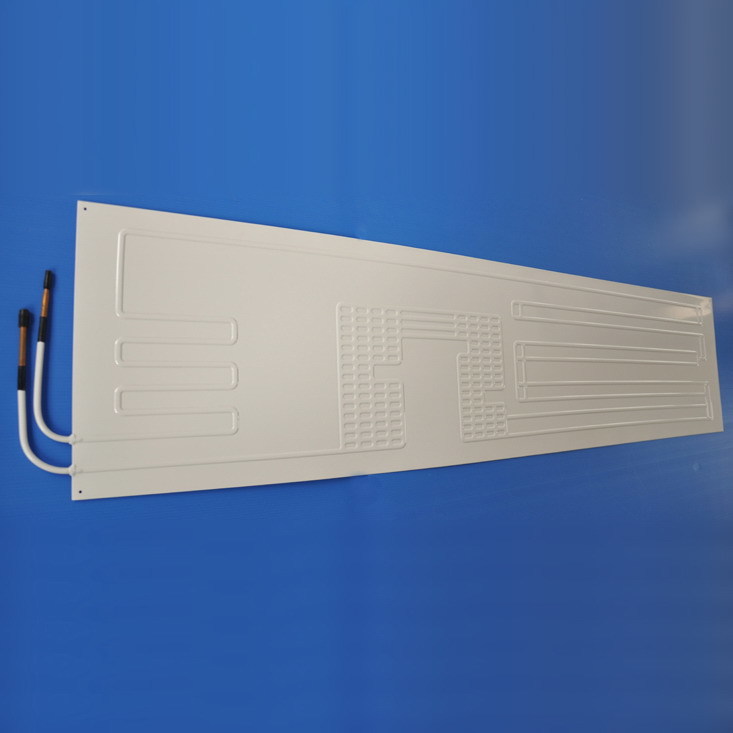
Plate evaporators consist of a series of stainless steel plates with alternating channels for the refrigerant and the substance to be cooled. These evaporators are known for their compact design and high heat transfer efficiency, making them suitable for applications with limited space.
3.2 Shell and Tube Evaporators
Shell and tube evaporators are widely used in various industries due to their versatility and reliability. They feature a shell housing multiple tubes where the refrigerant flows, promoting efficient heat exchange. This type of evaporator is known for its durability and ease of maintenance.
3.3 Finned Evaporators
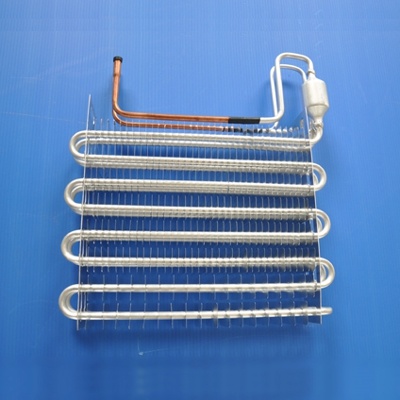
Finned evaporators are commonly used in air-cooled dispensers, leveraging the heat transfer properties of fins to enhance cooling efficiency. The extended surface area provided by the fins allows for increased heat exchange, resulting in improved performance.
4. Key Features to Look for in an Evaporator
When choosing an evaporator for optimal dispenser functionality, keep an eye out for the following key features:
4.1 Corrosion Resistance
Select an evaporator that is resistant to corrosion, especially if your dispenser operates in environments with high humidity or exposure to corrosive substances. This will ensure longevity and prevent potential malfunctions.
4.2 Efficient Coil Design
An evaporator with an efficient coil design maximizes heat transfer and enhances overall cooling performance. Look for features such as enhanced tube patterns or advanced coil materials that improve heat exchange efficiency.
4.3 Defrost Mechanism
In applications where frost buildup is common, opt for an evaporator with an effective defrost mechanism. This ensures uninterrupted cooling capacity and minimizes the need for manual defrosting, enhancing convenience and reducing downtime.
4.4 Low Noise Operation
Consider the noise levels produced by the evaporator, especially if the dispenser is located in a noise-sensitive environment. Look for models that offer low noise operation without compromising cooling efficiency.
4.5 Energy Efficiency
Choosing an energy-efficient evaporator can significantly impact operational costs. Look for models with high energy efficiency ratings or additional features like variable speed fans or intelligent control systems that optimize energy consumption.
5. Common FAQs About Choosing the Right Evaporator
5.1 FAQ 1: Which evaporator type is best for my dispenser?
The best evaporator type depends on various factors such as cooling requirements, available space, and operating environment. Assess your specific needs and consult with an expert to determine the most suitable evaporator type for your dispenser.
5.2 FAQ 2: Can I use any refrigerant with my evaporator?
No, it is essential to ensure compatibility between the evaporator and the refrigerant used in your dispenser system. Using incompatible refrigerants can lead to reduced efficiency and potential equipment damage.
5.3 FAQ 3: How often should I clean and maintain the evaporator?
Regular cleaning and maintenance are crucial to ensure optimal evaporator performance. The frequency of cleaning depends on factors such as operating environment and usage. Refer to the manufacturer's guidelines and consider scheduling routine maintenance at least once a year.
5.4 FAQ 4: Can I install the evaporator myself, or should I hire a professional?
While some evaporator installations can be done by skilled individuals, it is generally recommended to hire a professional technician. Proper installation ensures optimal functionality and prevents potential damage to the equipment.
5.5 FAQ 5: How can I improve the energy efficiency of my evaporator?
To improve energy efficiency, ensure regular maintenance, clean coils, and filters as recommended by the manufacturer. Additionally, consider investing in energy-efficient models with advanced features such as variable speed fans or intelligent control systems.
6. Conclusion
Choosing the right evaporator for optimal dispenser functionality is a critical decision that should not be taken lightly. By considering factors such as cooling capacity, size, operating environment, compatibility, and maintenance requirements, you can ensure that your dispenser performs at its best. Remember to consult with experts, assess your specific needs, and prioritize energy efficiency to make an informed decision. With the right evaporator, you can achieve optimal cooling performance, improve energy efficiency, and enhance the overall functionality of your dispenser.
3. Types of Evaporators for Dispensers
4. Key Features to Look for in an Evaporator
5. Common FAQs About Choosing the Right Evaporator
6. Conclusion
1. Introduction: Understanding the Importance of Choosing the Right Evaporator
Choosing the right evaporator for your dispenser is crucial to ensure optimal functionality and performance. An evaporator plays a vital role in the cooling process, responsible for transforming a liquid into vapor form by extracting heat from the surrounding environment. In this article, we will delve into the key factors you should consider when selecting an evaporator, explore different types available for dispensers, highlight essential features to look for, and address common questions that arise during this decision-making process.
2. Factors to Consider When Selecting an Evaporator
When choosing an evaporator for your dispenser, several important factors should be taken into consideration:
2.1 Cooling Capacity and Efficiency
The cooling capacity of an evaporator is crucial for maintaining the desired temperature range within the dispenser. Consider the cooling requirements of your specific application and select an evaporator with sufficient capacity to meet those needs. Additionally, prioritize energy efficiency to optimize performance while minimizing operational costs.
2.2 Size and Dimensions
Evaluate the available space for installation and choose an evaporator that fits seamlessly within the dispenser. Consider the dimensions, weight, and accessibility requirements to ensure a proper fit without compromising functionality or ease of maintenance.
2.3 Operating Environment
Take into account the ambient conditions in which the dispenser operates. Factors such as temperature, humidity, and air quality can influence the selection of an appropriate evaporator. An evaporator designed to withstand harsh environmental conditions will ensure reliable functionality and longevity.
2.4 Compatibility with Refrigerant
Ensure compatibility between the evaporator and the refrigerant used in your dispenser system. Different evaporators are optimized for specific refrigerants, and using the wrong combination can lead to inefficient cooling and potential damage to the equipment.
2.5 Maintenance and Cleaning
Consider the ease of maintenance and cleaning when selecting an evaporator. Opt for models that offer convenient access for routine maintenance tasks, such as filter replacement or coil cleaning. This will help extend the lifespan of the equipment and maintain optimal functionality.
3. Types of Evaporators for Dispensers
There are several types of evaporators commonly used in dispensers. Let's explore some of the most popular ones:
3.1 Plate Evaporators
Plate evaporators consist of a series of stainless steel plates with alternating channels for the refrigerant and the substance to be cooled. These evaporators are known for their compact design and high heat transfer efficiency, making them suitable for applications with limited space.
3.2 Shell and Tube Evaporators
Shell and tube evaporators are widely used in various industries due to their versatility and reliability. They feature a shell housing multiple tubes where the refrigerant flows, promoting efficient heat exchange. This type of evaporator is known for its durability and ease of maintenance.
3.3 Finned Evaporators
Finned evaporators are commonly used in air-cooled dispensers, leveraging the heat transfer properties of fins to enhance cooling efficiency. The extended surface area provided by the fins allows for increased heat exchange, resulting in improved performance.
4. Key Features to Look for in an Evaporator
When choosing an evaporator for optimal dispenser functionality, keep an eye out for the following key features:
4.1 Corrosion Resistance
Select an evaporator that is resistant to corrosion, especially if your dispenser operates in environments with high humidity or exposure to corrosive substances. This will ensure longevity and prevent potential malfunctions.
4.2 Efficient Coil Design
An evaporator with an efficient coil design maximizes heat transfer and enhances overall cooling performance. Look for features such as enhanced tube patterns or advanced coil materials that improve heat exchange efficiency.
4.3 Defrost Mechanism
In applications where frost buildup is common, opt for an evaporator with an effective defrost mechanism. This ensures uninterrupted cooling capacity and minimizes the need for manual defrosting, enhancing convenience and reducing downtime.
4.4 Low Noise Operation
Consider the noise levels produced by the evaporator, especially if the dispenser is located in a noise-sensitive environment. Look for models that offer low noise operation without compromising cooling efficiency.
4.5 Energy Efficiency
Choosing an energy-efficient evaporator can significantly impact operational costs. Look for models with high energy efficiency ratings or additional features like variable speed fans or intelligent control systems that optimize energy consumption.
5. Common FAQs About Choosing the Right Evaporator
5.1 FAQ 1: Which evaporator type is best for my dispenser?
The best evaporator type depends on various factors such as cooling requirements, available space, and operating environment. Assess your specific needs and consult with an expert to determine the most suitable evaporator type for your dispenser.
5.2 FAQ 2: Can I use any refrigerant with my evaporator?
No, it is essential to ensure compatibility between the evaporator and the refrigerant used in your dispenser system. Using incompatible refrigerants can lead to reduced efficiency and potential equipment damage.
5.3 FAQ 3: How often should I clean and maintain the evaporator?
Regular cleaning and maintenance are crucial to ensure optimal evaporator performance. The frequency of cleaning depends on factors such as operating environment and usage. Refer to the manufacturer's guidelines and consider scheduling routine maintenance at least once a year.
5.4 FAQ 4: Can I install the evaporator myself, or should I hire a professional?
While some evaporator installations can be done by skilled individuals, it is generally recommended to hire a professional technician. Proper installation ensures optimal functionality and prevents potential damage to the equipment.
5.5 FAQ 5: How can I improve the energy efficiency of my evaporator?
To improve energy efficiency, ensure regular maintenance, clean coils, and filters as recommended by the manufacturer. Additionally, consider investing in energy-efficient models with advanced features such as variable speed fans or intelligent control systems.
6. Conclusion
Choosing the right evaporator for optimal dispenser functionality is a critical decision that should not be taken lightly. By considering factors such as cooling capacity, size, operating environment, compatibility, and maintenance requirements, you can ensure that your dispenser performs at its best. Remember to consult with experts, assess your specific needs, and prioritize energy efficiency to make an informed decision. With the right evaporator, you can achieve optimal cooling performance, improve energy efficiency, and enhance the overall functionality of your dispenser.
5. Common FAQs About Choosing the Right Evaporator
6. Conclusion
1. Introduction: Understanding the Importance of Choosing the Right Evaporator
Choosing the right evaporator for your dispenser is crucial to ensure optimal functionality and performance. An evaporator plays a vital role in the cooling process, responsible for transforming a liquid into vapor form by extracting heat from the surrounding environment. In this article, we will delve into the key factors you should consider when selecting an evaporator, explore different types available for dispensers, highlight essential features to look for, and address common questions that arise during this decision-making process.
2. Factors to Consider When Selecting an Evaporator
When choosing an evaporator for your dispenser, several important factors should be taken into consideration:
2.1 Cooling Capacity and Efficiency
The cooling capacity of an evaporator is crucial for maintaining the desired temperature range within the dispenser. Consider the cooling requirements of your specific application and select an evaporator with sufficient capacity to meet those needs. Additionally, prioritize energy efficiency to optimize performance while minimizing operational costs.
2.2 Size and Dimensions
Evaluate the available space for installation and choose an evaporator that fits seamlessly within the dispenser. Consider the dimensions, weight, and accessibility requirements to ensure a proper fit without compromising functionality or ease of maintenance.
2.3 Operating Environment
Take into account the ambient conditions in which the dispenser operates. Factors such as temperature, humidity, and air quality can influence the selection of an appropriate evaporator. An evaporator designed to withstand harsh environmental conditions will ensure reliable functionality and longevity.
2.4 Compatibility with Refrigerant
Ensure compatibility between the evaporator and the refrigerant used in your dispenser system. Different evaporators are optimized for specific refrigerants, and using the wrong combination can lead to inefficient cooling and potential damage to the equipment.
2.5 Maintenance and Cleaning
Consider the ease of maintenance and cleaning when selecting an evaporator. Opt for models that offer convenient access for routine maintenance tasks, such as filter replacement or coil cleaning. This will help extend the lifespan of the equipment and maintain optimal functionality.
3. Types of Evaporators for Dispensers
There are several types of evaporators commonly used in dispensers. Let's explore some of the most popular ones:
3.1 Plate Evaporators
Plate evaporators consist of a series of stainless steel plates with alternating channels for the refrigerant and the substance to be cooled. These evaporators are known for their compact design and high heat transfer efficiency, making them suitable for applications with limited space.
3.2 Shell and Tube Evaporators
Shell and tube evaporators are widely used in various industries due to their versatility and reliability. They feature a shell housing multiple tubes where the refrigerant flows, promoting efficient heat exchange. This type of evaporator is known for its durability and ease of maintenance.
3.3 Finned Evaporators
Finned evaporators are commonly used in air-cooled dispensers, leveraging the heat transfer properties of fins to enhance cooling efficiency. The extended surface area provided by the fins allows for increased heat exchange, resulting in improved performance.
4. Key Features to Look for in an Evaporator
When choosing an evaporator for optimal dispenser functionality, keep an eye out for the following key features:
4.1 Corrosion Resistance
Select an evaporator that is resistant to corrosion, especially if your dispenser operates in environments with high humidity or exposure to corrosive substances. This will ensure longevity and prevent potential malfunctions.
4.2 Efficient Coil Design
An evaporator with an efficient coil design maximizes heat transfer and enhances overall cooling performance. Look for features such as enhanced tube patterns or advanced coil materials that improve heat exchange efficiency.
4.3 Defrost Mechanism
In applications where frost buildup is common, opt for an evaporator with an effective defrost mechanism. This ensures uninterrupted cooling capacity and minimizes the need for manual defrosting, enhancing convenience and reducing downtime.
4.4 Low Noise Operation
Consider the noise levels produced by the evaporator, especially if the dispenser is located in a noise-sensitive environment. Look for models that offer low noise operation without compromising cooling efficiency.
4.5 Energy Efficiency
Choosing an energy-efficient evaporator can significantly impact operational costs. Look for models with high energy efficiency ratings or additional features like variable speed fans or intelligent control systems that optimize energy consumption.
5. Common FAQs About Choosing the Right Evaporator
5.1 FAQ 1: Which evaporator type is best for my dispenser?
The best evaporator type depends on various factors such as cooling requirements, available space, and operating environment. Assess your specific needs and consult with an expert to determine the most suitable evaporator type for your dispenser.
5.2 FAQ 2: Can I use any refrigerant with my evaporator?
No, it is essential to ensure compatibility between the evaporator and the refrigerant used in your dispenser system. Using incompatible refrigerants can lead to reduced efficiency and potential equipment damage.
5.3 FAQ 3: How often should I clean and maintain the evaporator?
Regular cleaning and maintenance are crucial to ensure optimal evaporator performance. The frequency of cleaning depends on factors such as operating environment and usage. Refer to the manufacturer's guidelines and consider scheduling routine maintenance at least once a year.
5.4 FAQ 4: Can I install the evaporator myself, or should I hire a professional?
While some evaporator installations can be done by skilled individuals, it is generally recommended to hire a professional technician. Proper installation ensures optimal functionality and prevents potential damage to the equipment.
5.5 FAQ 5: How can I improve the energy efficiency of my evaporator?
To improve energy efficiency, ensure regular maintenance, clean coils, and filters as recommended by the manufacturer. Additionally, consider investing in energy-efficient models with advanced features such as variable speed fans or intelligent control systems.
6. Conclusion
Choosing the right evaporator for optimal dispenser functionality is a critical decision that should not be taken lightly. By considering factors such as cooling capacity, size, operating environment, compatibility, and maintenance requirements, you can ensure that your dispenser performs at its best. Remember to consult with experts, assess your specific needs, and prioritize energy efficiency to make an informed decision. With the right evaporator, you can achieve optimal cooling performance, improve energy efficiency, and enhance the overall functionality of your dispenser.
1. Introduction: Understanding the Importance of Choosing the Right Evaporator
Choosing the right evaporator for your dispenser is crucial to ensure optimal functionality and performance. An evaporator plays a vital role in the cooling process, responsible for transforming a liquid into vapor form by extracting heat from the surrounding environment. In this article, we will delve into the key factors you should consider when selecting an evaporator, explore different types available for dispensers, highlight essential features to look for, and address common questions that arise during this decision-making process.
2. Factors to Consider When Selecting an Evaporator
When choosing an evaporator for your dispenser, several important factors should be taken into consideration:
2.1 Cooling Capacity and Efficiency
The cooling capacity of an evaporator is crucial for maintaining the desired temperature range within the dispenser. Consider the cooling requirements of your specific application and select an evaporator with sufficient capacity to meet those needs. Additionally, prioritize energy efficiency to optimize performance while minimizing operational costs.
2.2 Size and Dimensions
Evaluate the available space for installation and choose an evaporator that fits seamlessly within the dispenser. Consider the dimensions, weight, and accessibility requirements to ensure a proper fit without compromising functionality or ease of maintenance.
2.3 Operating Environment
Take into account the ambient conditions in which the dispenser operates. Factors such as temperature, humidity, and air quality can influence the selection of an appropriate evaporator. An evaporator designed to withstand harsh environmental conditions will ensure reliable functionality and longevity.
2.4 Compatibility with Refrigerant
Ensure compatibility between the evaporator and the refrigerant used in your dispenser system. Different evaporators are optimized for specific refrigerants, and using the wrong combination can lead to inefficient cooling and potential damage to the equipment.
2.5 Maintenance and Cleaning
Consider the ease of maintenance and cleaning when selecting an evaporator. Opt for models that offer convenient access for routine maintenance tasks, such as filter replacement or coil cleaning. This will help extend the lifespan of the equipment and maintain optimal functionality.
3. Types of Evaporators for Dispensers
There are several types of evaporators commonly used in dispensers. Let's explore some of the most popular ones:
3.1 Plate Evaporators
Plate evaporators consist of a series of stainless steel plates with alternating channels for the refrigerant and the substance to be cooled. These evaporators are known for their compact design and high heat transfer efficiency, making them suitable for applications with limited space.
3.2 Shell and Tube Evaporators
Shell and tube evaporators are widely used in various industries due to their versatility and reliability. They feature a shell housing multiple tubes where the refrigerant flows, promoting efficient heat exchange. This type of evaporator is known for its durability and ease of maintenance.
3.3 Finned Evaporators
Finned evaporators are commonly used in air-cooled dispensers, leveraging the heat transfer properties of fins to enhance cooling efficiency. The extended surface area provided by the fins allows for increased heat exchange, resulting in improved performance.
4. Key Features to Look for in an Evaporator
When choosing an evaporator for optimal dispenser functionality, keep an eye out for the following key features:
4.1 Corrosion Resistance
Select an evaporator that is resistant to corrosion, especially if your dispenser operates in environments with high humidity or exposure to corrosive substances. This will ensure longevity and prevent potential malfunctions.
4.2 Efficient Coil Design
An evaporator with an efficient coil design maximizes heat transfer and enhances overall cooling performance. Look for features such as enhanced tube patterns or advanced coil materials that improve heat exchange efficiency.
4.3 Defrost Mechanism
In applications where frost buildup is common, opt for an evaporator with an effective defrost mechanism. This ensures uninterrupted cooling capacity and minimizes the need for manual defrosting, enhancing convenience and reducing downtime.
4.4 Low Noise Operation
Consider the noise levels produced by the evaporator, especially if the dispenser is located in a noise-sensitive environment. Look for models that offer low noise operation without compromising cooling efficiency.
4.5 Energy Efficiency
Choosing an energy-efficient evaporator can significantly impact operational costs. Look for models with high energy efficiency ratings or additional features like variable speed fans or intelligent control systems that optimize energy consumption.
5. Common FAQs About Choosing the Right Evaporator
5.1 FAQ 1: Which evaporator type is best for my dispenser?
The best evaporator type depends on various factors such as cooling requirements, available space, and operating environment. Assess your specific needs and consult with an expert to determine the most suitable evaporator type for your dispenser.
5.2 FAQ 2: Can I use any refrigerant with my evaporator?
No, it is essential to ensure compatibility between the evaporator and the refrigerant used in your dispenser system. Using incompatible refrigerants can lead to reduced efficiency and potential equipment damage.
5.3 FAQ 3: How often should I clean and maintain the evaporator?
Regular cleaning and maintenance are crucial to ensure optimal evaporator performance. The frequency of cleaning depends on factors such as operating environment and usage. Refer to the manufacturer's guidelines and consider scheduling routine maintenance at least once a year.
5.4 FAQ 4: Can I install the evaporator myself, or should I hire a professional?
While some evaporator installations can be done by skilled individuals, it is generally recommended to hire a professional technician. Proper installation ensures optimal functionality and prevents potential damage to the equipment.
5.5 FAQ 5: How can I improve the energy efficiency of my evaporator?
To improve energy efficiency, ensure regular maintenance, clean coils, and filters as recommended by the manufacturer. Additionally, consider investing in energy-efficient models with advanced features such as variable speed fans or intelligent control systems.
6. Conclusion
Choosing the right evaporator for optimal dispenser functionality is a critical decision that should not be taken lightly. By considering factors such as cooling capacity, size, operating environment, compatibility, and maintenance requirements, you can ensure that your dispenser performs at its best. Remember to consult with experts, assess your specific needs, and prioritize energy efficiency to make an informed decision. With the right evaporator, you can achieve optimal cooling performance, improve energy efficiency, and enhance the overall functionality of your dispenser.
When choosing an evaporator for your dispenser, several important factors should be taken into consideration:
2.1 Cooling Capacity and Efficiency
The cooling capacity of an evaporator is crucial for maintaining the desired temperature range within the dispenser. Consider the cooling requirements of your specific application and select an evaporator with sufficient capacity to meet those needs. Additionally, prioritize energy efficiency to optimize performance while minimizing operational costs.
2.2 Size and Dimensions
Evaluate the available space for installation and choose an evaporator that fits seamlessly within the dispenser. Consider the dimensions, weight, and accessibility requirements to ensure a proper fit without compromising functionality or ease of maintenance.
2.3 Operating Environment
Take into account the ambient conditions in which the dispenser operates. Factors such as temperature, humidity, and air quality can influence the selection of an appropriate evaporator. An evaporator designed to withstand harsh environmental conditions will ensure reliable functionality and longevity.
2.4 Compatibility with Refrigerant
Ensure compatibility between the evaporator and the refrigerant used in your dispenser system. Different evaporators are optimized for specific refrigerants, and using the wrong combination can lead to inefficient cooling and potential damage to the equipment.
2.5 Maintenance and Cleaning
Consider the ease of maintenance and cleaning when selecting an evaporator. Opt for models that offer convenient access for routine maintenance tasks, such as filter replacement or coil cleaning. This will help extend the lifespan of the equipment and maintain optimal functionality.
3. Types of Evaporators for Dispensers
There are several types of evaporators commonly used in dispensers. Let's explore some of the most popular ones:
3.1 Plate Evaporators
Plate evaporators consist of a series of stainless steel plates with alternating channels for the refrigerant and the substance to be cooled. These evaporators are known for their compact design and high heat transfer efficiency, making them suitable for applications with limited space.
3.2 Shell and Tube Evaporators
Shell and tube evaporators are widely used in various industries due to their versatility and reliability. They feature a shell housing multiple tubes where the refrigerant flows, promoting efficient heat exchange. This type of evaporator is known for its durability and ease of maintenance.
3.3 Finned Evaporators
Finned evaporators are commonly used in air-cooled dispensers, leveraging the heat transfer properties of fins to enhance cooling efficiency. The extended surface area provided by the fins allows for increased heat exchange, resulting in improved performance.
4. Key Features to Look for in an Evaporator
When choosing an evaporator for optimal dispenser functionality, keep an eye out for the following key features:
4.1 Corrosion Resistance
Select an evaporator that is resistant to corrosion, especially if your dispenser operates in environments with high humidity or exposure to corrosive substances. This will ensure longevity and prevent potential malfunctions.
4.2 Efficient Coil Design
An evaporator with an efficient coil design maximizes heat transfer and enhances overall cooling performance. Look for features such as enhanced tube patterns or advanced coil materials that improve heat exchange efficiency.
4.3 Defrost Mechanism
In applications where frost buildup is common, opt for an evaporator with an effective defrost mechanism. This ensures uninterrupted cooling capacity and minimizes the need for manual defrosting, enhancing convenience and reducing downtime.
4.4 Low Noise Operation
Consider the noise levels produced by the evaporator, especially if the dispenser is located in a noise-sensitive environment. Look for models that offer low noise operation without compromising cooling efficiency.
4.5 Energy Efficiency
Choosing an energy-efficient evaporator can significantly impact operational costs. Look for models with high energy efficiency ratings or additional features like variable speed fans or intelligent control systems that optimize energy consumption.
5. Common FAQs About Choosing the Right Evaporator
5.1 FAQ 1: Which evaporator type is best for my dispenser?
The best evaporator type depends on various factors such as cooling requirements, available space, and operating environment. Assess your specific needs and consult with an expert to determine the most suitable evaporator type for your dispenser.
5.2 FAQ 2: Can I use any refrigerant with my evaporator?
No, it is essential to ensure compatibility between the evaporator and the refrigerant used in your dispenser system. Using incompatible refrigerants can lead to reduced efficiency and potential equipment damage.
5.3 FAQ 3: How often should I clean and maintain the evaporator?
Regular cleaning and maintenance are crucial to ensure optimal evaporator performance. The frequency of cleaning depends on factors such as operating environment and usage. Refer to the manufacturer's guidelines and consider scheduling routine maintenance at least once a year.
5.4 FAQ 4: Can I install the evaporator myself, or should I hire a professional?
While some evaporator installations can be done by skilled individuals, it is generally recommended to hire a professional technician. Proper installation ensures optimal functionality and prevents potential damage to the equipment.
5.5 FAQ 5: How can I improve the energy efficiency of my evaporator?
To improve energy efficiency, ensure regular maintenance, clean coils, and filters as recommended by the manufacturer. Additionally, consider investing in energy-efficient models with advanced features such as variable speed fans or intelligent control systems.
6. Conclusion
Choosing the right evaporator for optimal dispenser functionality is a critical decision that should not be taken lightly. By considering factors such as cooling capacity, size, operating environment, compatibility, and maintenance requirements, you can ensure that your dispenser performs at its best. Remember to consult with experts, assess your specific needs, and prioritize energy efficiency to make an informed decision. With the right evaporator, you can achieve optimal cooling performance, improve energy efficiency, and enhance the overall functionality of your dispenser.
Evaluate the available space for installation and choose an evaporator that fits seamlessly within the dispenser. Consider the dimensions, weight, and accessibility requirements to ensure a proper fit without compromising functionality or ease of maintenance.
2.3 Operating Environment
Take into account the ambient conditions in which the dispenser operates. Factors such as temperature, humidity, and air quality can influence the selection of an appropriate evaporator. An evaporator designed to withstand harsh environmental conditions will ensure reliable functionality and longevity.
2.4 Compatibility with Refrigerant
Ensure compatibility between the evaporator and the refrigerant used in your dispenser system. Different evaporators are optimized for specific refrigerants, and using the wrong combination can lead to inefficient cooling and potential damage to the equipment.
2.5 Maintenance and Cleaning
Consider the ease of maintenance and cleaning when selecting an evaporator. Opt for models that offer convenient access for routine maintenance tasks, such as filter replacement or coil cleaning. This will help extend the lifespan of the equipment and maintain optimal functionality.
3. Types of Evaporators for Dispensers
There are several types of evaporators commonly used in dispensers. Let's explore some of the most popular ones:
3.1 Plate Evaporators
Plate evaporators consist of a series of stainless steel plates with alternating channels for the refrigerant and the substance to be cooled. These evaporators are known for their compact design and high heat transfer efficiency, making them suitable for applications with limited space.
3.2 Shell and Tube Evaporators
Shell and tube evaporators are widely used in various industries due to their versatility and reliability. They feature a shell housing multiple tubes where the refrigerant flows, promoting efficient heat exchange. This type of evaporator is known for its durability and ease of maintenance.
3.3 Finned Evaporators
Finned evaporators are commonly used in air-cooled dispensers, leveraging the heat transfer properties of fins to enhance cooling efficiency. The extended surface area provided by the fins allows for increased heat exchange, resulting in improved performance.
4. Key Features to Look for in an Evaporator
When choosing an evaporator for optimal dispenser functionality, keep an eye out for the following key features:
4.1 Corrosion Resistance
Select an evaporator that is resistant to corrosion, especially if your dispenser operates in environments with high humidity or exposure to corrosive substances. This will ensure longevity and prevent potential malfunctions.
4.2 Efficient Coil Design
An evaporator with an efficient coil design maximizes heat transfer and enhances overall cooling performance. Look for features such as enhanced tube patterns or advanced coil materials that improve heat exchange efficiency.
4.3 Defrost Mechanism
In applications where frost buildup is common, opt for an evaporator with an effective defrost mechanism. This ensures uninterrupted cooling capacity and minimizes the need for manual defrosting, enhancing convenience and reducing downtime.
4.4 Low Noise Operation
Consider the noise levels produced by the evaporator, especially if the dispenser is located in a noise-sensitive environment. Look for models that offer low noise operation without compromising cooling efficiency.
4.5 Energy Efficiency
Choosing an energy-efficient evaporator can significantly impact operational costs. Look for models with high energy efficiency ratings or additional features like variable speed fans or intelligent control systems that optimize energy consumption.
5. Common FAQs About Choosing the Right Evaporator
5.1 FAQ 1: Which evaporator type is best for my dispenser?
The best evaporator type depends on various factors such as cooling requirements, available space, and operating environment. Assess your specific needs and consult with an expert to determine the most suitable evaporator type for your dispenser.
5.2 FAQ 2: Can I use any refrigerant with my evaporator?
No, it is essential to ensure compatibility between the evaporator and the refrigerant used in your dispenser system. Using incompatible refrigerants can lead to reduced efficiency and potential equipment damage.
5.3 FAQ 3: How often should I clean and maintain the evaporator?
Regular cleaning and maintenance are crucial to ensure optimal evaporator performance. The frequency of cleaning depends on factors such as operating environment and usage. Refer to the manufacturer's guidelines and consider scheduling routine maintenance at least once a year.
5.4 FAQ 4: Can I install the evaporator myself, or should I hire a professional?
While some evaporator installations can be done by skilled individuals, it is generally recommended to hire a professional technician. Proper installation ensures optimal functionality and prevents potential damage to the equipment.
5.5 FAQ 5: How can I improve the energy efficiency of my evaporator?
To improve energy efficiency, ensure regular maintenance, clean coils, and filters as recommended by the manufacturer. Additionally, consider investing in energy-efficient models with advanced features such as variable speed fans or intelligent control systems.
6. Conclusion
Choosing the right evaporator for optimal dispenser functionality is a critical decision that should not be taken lightly. By considering factors such as cooling capacity, size, operating environment, compatibility, and maintenance requirements, you can ensure that your dispenser performs at its best. Remember to consult with experts, assess your specific needs, and prioritize energy efficiency to make an informed decision. With the right evaporator, you can achieve optimal cooling performance, improve energy efficiency, and enhance the overall functionality of your dispenser.
Ensure compatibility between the evaporator and the refrigerant used in your dispenser system. Different evaporators are optimized for specific refrigerants, and using the wrong combination can lead to inefficient cooling and potential damage to the equipment.
2.5 Maintenance and Cleaning
Consider the ease of maintenance and cleaning when selecting an evaporator. Opt for models that offer convenient access for routine maintenance tasks, such as filter replacement or coil cleaning. This will help extend the lifespan of the equipment and maintain optimal functionality.
3. Types of Evaporators for Dispensers
There are several types of evaporators commonly used in dispensers. Let's explore some of the most popular ones:
3.1 Plate Evaporators
Plate evaporators consist of a series of stainless steel plates with alternating channels for the refrigerant and the substance to be cooled. These evaporators are known for their compact design and high heat transfer efficiency, making them suitable for applications with limited space.
3.2 Shell and Tube Evaporators
Shell and tube evaporators are widely used in various industries due to their versatility and reliability. They feature a shell housing multiple tubes where the refrigerant flows, promoting efficient heat exchange. This type of evaporator is known for its durability and ease of maintenance.
3.3 Finned Evaporators
Finned evaporators are commonly used in air-cooled dispensers, leveraging the heat transfer properties of fins to enhance cooling efficiency. The extended surface area provided by the fins allows for increased heat exchange, resulting in improved performance.
4. Key Features to Look for in an Evaporator
When choosing an evaporator for optimal dispenser functionality, keep an eye out for the following key features:
4.1 Corrosion Resistance
Select an evaporator that is resistant to corrosion, especially if your dispenser operates in environments with high humidity or exposure to corrosive substances. This will ensure longevity and prevent potential malfunctions.
4.2 Efficient Coil Design
An evaporator with an efficient coil design maximizes heat transfer and enhances overall cooling performance. Look for features such as enhanced tube patterns or advanced coil materials that improve heat exchange efficiency.
4.3 Defrost Mechanism
In applications where frost buildup is common, opt for an evaporator with an effective defrost mechanism. This ensures uninterrupted cooling capacity and minimizes the need for manual defrosting, enhancing convenience and reducing downtime.
4.4 Low Noise Operation
Consider the noise levels produced by the evaporator, especially if the dispenser is located in a noise-sensitive environment. Look for models that offer low noise operation without compromising cooling efficiency.
4.5 Energy Efficiency
Choosing an energy-efficient evaporator can significantly impact operational costs. Look for models with high energy efficiency ratings or additional features like variable speed fans or intelligent control systems that optimize energy consumption.
5. Common FAQs About Choosing the Right Evaporator
5.1 FAQ 1: Which evaporator type is best for my dispenser?
The best evaporator type depends on various factors such as cooling requirements, available space, and operating environment. Assess your specific needs and consult with an expert to determine the most suitable evaporator type for your dispenser.
5.2 FAQ 2: Can I use any refrigerant with my evaporator?
No, it is essential to ensure compatibility between the evaporator and the refrigerant used in your dispenser system. Using incompatible refrigerants can lead to reduced efficiency and potential equipment damage.
5.3 FAQ 3: How often should I clean and maintain the evaporator?
Regular cleaning and maintenance are crucial to ensure optimal evaporator performance. The frequency of cleaning depends on factors such as operating environment and usage. Refer to the manufacturer's guidelines and consider scheduling routine maintenance at least once a year.
5.4 FAQ 4: Can I install the evaporator myself, or should I hire a professional?
While some evaporator installations can be done by skilled individuals, it is generally recommended to hire a professional technician. Proper installation ensures optimal functionality and prevents potential damage to the equipment.
5.5 FAQ 5: How can I improve the energy efficiency of my evaporator?
To improve energy efficiency, ensure regular maintenance, clean coils, and filters as recommended by the manufacturer. Additionally, consider investing in energy-efficient models with advanced features such as variable speed fans or intelligent control systems.
6. Conclusion
Choosing the right evaporator for optimal dispenser functionality is a critical decision that should not be taken lightly. By considering factors such as cooling capacity, size, operating environment, compatibility, and maintenance requirements, you can ensure that your dispenser performs at its best. Remember to consult with experts, assess your specific needs, and prioritize energy efficiency to make an informed decision. With the right evaporator, you can achieve optimal cooling performance, improve energy efficiency, and enhance the overall functionality of your dispenser.
There are several types of evaporators commonly used in dispensers. Let's explore some of the most popular ones:
3.1 Plate Evaporators
Plate evaporators consist of a series of stainless steel plates with alternating channels for the refrigerant and the substance to be cooled. These evaporators are known for their compact design and high heat transfer efficiency, making them suitable for applications with limited space.
3.2 Shell and Tube Evaporators
Shell and tube evaporators are widely used in various industries due to their versatility and reliability. They feature a shell housing multiple tubes where the refrigerant flows, promoting efficient heat exchange. This type of evaporator is known for its durability and ease of maintenance.
3.3 Finned Evaporators
Finned evaporators are commonly used in air-cooled dispensers, leveraging the heat transfer properties of fins to enhance cooling efficiency. The extended surface area provided by the fins allows for increased heat exchange, resulting in improved performance.
4. Key Features to Look for in an Evaporator
When choosing an evaporator for optimal dispenser functionality, keep an eye out for the following key features:
4.1 Corrosion Resistance
Select an evaporator that is resistant to corrosion, especially if your dispenser operates in environments with high humidity or exposure to corrosive substances. This will ensure longevity and prevent potential malfunctions.
4.2 Efficient Coil Design
An evaporator with an efficient coil design maximizes heat transfer and enhances overall cooling performance. Look for features such as enhanced tube patterns or advanced coil materials that improve heat exchange efficiency.
4.3 Defrost Mechanism
In applications where frost buildup is common, opt for an evaporator with an effective defrost mechanism. This ensures uninterrupted cooling capacity and minimizes the need for manual defrosting, enhancing convenience and reducing downtime.
4.4 Low Noise Operation
Consider the noise levels produced by the evaporator, especially if the dispenser is located in a noise-sensitive environment. Look for models that offer low noise operation without compromising cooling efficiency.
4.5 Energy Efficiency
Choosing an energy-efficient evaporator can significantly impact operational costs. Look for models with high energy efficiency ratings or additional features like variable speed fans or intelligent control systems that optimize energy consumption.
5. Common FAQs About Choosing the Right Evaporator
5.1 FAQ 1: Which evaporator type is best for my dispenser?
The best evaporator type depends on various factors such as cooling requirements, available space, and operating environment. Assess your specific needs and consult with an expert to determine the most suitable evaporator type for your dispenser.
5.2 FAQ 2: Can I use any refrigerant with my evaporator?
No, it is essential to ensure compatibility between the evaporator and the refrigerant used in your dispenser system. Using incompatible refrigerants can lead to reduced efficiency and potential equipment damage.
5.3 FAQ 3: How often should I clean and maintain the evaporator?
Regular cleaning and maintenance are crucial to ensure optimal evaporator performance. The frequency of cleaning depends on factors such as operating environment and usage. Refer to the manufacturer's guidelines and consider scheduling routine maintenance at least once a year.
5.4 FAQ 4: Can I install the evaporator myself, or should I hire a professional?
While some evaporator installations can be done by skilled individuals, it is generally recommended to hire a professional technician. Proper installation ensures optimal functionality and prevents potential damage to the equipment.
5.5 FAQ 5: How can I improve the energy efficiency of my evaporator?
To improve energy efficiency, ensure regular maintenance, clean coils, and filters as recommended by the manufacturer. Additionally, consider investing in energy-efficient models with advanced features such as variable speed fans or intelligent control systems.
6. Conclusion
Choosing the right evaporator for optimal dispenser functionality is a critical decision that should not be taken lightly. By considering factors such as cooling capacity, size, operating environment, compatibility, and maintenance requirements, you can ensure that your dispenser performs at its best. Remember to consult with experts, assess your specific needs, and prioritize energy efficiency to make an informed decision. With the right evaporator, you can achieve optimal cooling performance, improve energy efficiency, and enhance the overall functionality of your dispenser.
Shell and tube evaporators are widely used in various industries due to their versatility and reliability. They feature a shell housing multiple tubes where the refrigerant flows, promoting efficient heat exchange. This type of evaporator is known for its durability and ease of maintenance.
3.3 Finned Evaporators
Finned evaporators are commonly used in air-cooled dispensers, leveraging the heat transfer properties of fins to enhance cooling efficiency. The extended surface area provided by the fins allows for increased heat exchange, resulting in improved performance.
4. Key Features to Look for in an Evaporator
When choosing an evaporator for optimal dispenser functionality, keep an eye out for the following key features:
4.1 Corrosion Resistance
Select an evaporator that is resistant to corrosion, especially if your dispenser operates in environments with high humidity or exposure to corrosive substances. This will ensure longevity and prevent potential malfunctions.
4.2 Efficient Coil Design
An evaporator with an efficient coil design maximizes heat transfer and enhances overall cooling performance. Look for features such as enhanced tube patterns or advanced coil materials that improve heat exchange efficiency.
4.3 Defrost Mechanism
In applications where frost buildup is common, opt for an evaporator with an effective defrost mechanism. This ensures uninterrupted cooling capacity and minimizes the need for manual defrosting, enhancing convenience and reducing downtime.
4.4 Low Noise Operation
Consider the noise levels produced by the evaporator, especially if the dispenser is located in a noise-sensitive environment. Look for models that offer low noise operation without compromising cooling efficiency.
4.5 Energy Efficiency
Choosing an energy-efficient evaporator can significantly impact operational costs. Look for models with high energy efficiency ratings or additional features like variable speed fans or intelligent control systems that optimize energy consumption.
5. Common FAQs About Choosing the Right Evaporator
5.1 FAQ 1: Which evaporator type is best for my dispenser?
The best evaporator type depends on various factors such as cooling requirements, available space, and operating environment. Assess your specific needs and consult with an expert to determine the most suitable evaporator type for your dispenser.
5.2 FAQ 2: Can I use any refrigerant with my evaporator?
No, it is essential to ensure compatibility between the evaporator and the refrigerant used in your dispenser system. Using incompatible refrigerants can lead to reduced efficiency and potential equipment damage.
5.3 FAQ 3: How often should I clean and maintain the evaporator?
Regular cleaning and maintenance are crucial to ensure optimal evaporator performance. The frequency of cleaning depends on factors such as operating environment and usage. Refer to the manufacturer's guidelines and consider scheduling routine maintenance at least once a year.
5.4 FAQ 4: Can I install the evaporator myself, or should I hire a professional?
While some evaporator installations can be done by skilled individuals, it is generally recommended to hire a professional technician. Proper installation ensures optimal functionality and prevents potential damage to the equipment.
5.5 FAQ 5: How can I improve the energy efficiency of my evaporator?
To improve energy efficiency, ensure regular maintenance, clean coils, and filters as recommended by the manufacturer. Additionally, consider investing in energy-efficient models with advanced features such as variable speed fans or intelligent control systems.
6. Conclusion
Choosing the right evaporator for optimal dispenser functionality is a critical decision that should not be taken lightly. By considering factors such as cooling capacity, size, operating environment, compatibility, and maintenance requirements, you can ensure that your dispenser performs at its best. Remember to consult with experts, assess your specific needs, and prioritize energy efficiency to make an informed decision. With the right evaporator, you can achieve optimal cooling performance, improve energy efficiency, and enhance the overall functionality of your dispenser.
When choosing an evaporator for optimal dispenser functionality, keep an eye out for the following key features:
4.1 Corrosion Resistance
Select an evaporator that is resistant to corrosion, especially if your dispenser operates in environments with high humidity or exposure to corrosive substances. This will ensure longevity and prevent potential malfunctions.
4.2 Efficient Coil Design
An evaporator with an efficient coil design maximizes heat transfer and enhances overall cooling performance. Look for features such as enhanced tube patterns or advanced coil materials that improve heat exchange efficiency.
4.3 Defrost Mechanism
In applications where frost buildup is common, opt for an evaporator with an effective defrost mechanism. This ensures uninterrupted cooling capacity and minimizes the need for manual defrosting, enhancing convenience and reducing downtime.
4.4 Low Noise Operation
Consider the noise levels produced by the evaporator, especially if the dispenser is located in a noise-sensitive environment. Look for models that offer low noise operation without compromising cooling efficiency.
4.5 Energy Efficiency
Choosing an energy-efficient evaporator can significantly impact operational costs. Look for models with high energy efficiency ratings or additional features like variable speed fans or intelligent control systems that optimize energy consumption.
5. Common FAQs About Choosing the Right Evaporator
5.1 FAQ 1: Which evaporator type is best for my dispenser?
The best evaporator type depends on various factors such as cooling requirements, available space, and operating environment. Assess your specific needs and consult with an expert to determine the most suitable evaporator type for your dispenser.
5.2 FAQ 2: Can I use any refrigerant with my evaporator?
No, it is essential to ensure compatibility between the evaporator and the refrigerant used in your dispenser system. Using incompatible refrigerants can lead to reduced efficiency and potential equipment damage.
5.3 FAQ 3: How often should I clean and maintain the evaporator?
Regular cleaning and maintenance are crucial to ensure optimal evaporator performance. The frequency of cleaning depends on factors such as operating environment and usage. Refer to the manufacturer's guidelines and consider scheduling routine maintenance at least once a year.
5.4 FAQ 4: Can I install the evaporator myself, or should I hire a professional?
While some evaporator installations can be done by skilled individuals, it is generally recommended to hire a professional technician. Proper installation ensures optimal functionality and prevents potential damage to the equipment.
5.5 FAQ 5: How can I improve the energy efficiency of my evaporator?
To improve energy efficiency, ensure regular maintenance, clean coils, and filters as recommended by the manufacturer. Additionally, consider investing in energy-efficient models with advanced features such as variable speed fans or intelligent control systems.
6. Conclusion
Choosing the right evaporator for optimal dispenser functionality is a critical decision that should not be taken lightly. By considering factors such as cooling capacity, size, operating environment, compatibility, and maintenance requirements, you can ensure that your dispenser performs at its best. Remember to consult with experts, assess your specific needs, and prioritize energy efficiency to make an informed decision. With the right evaporator, you can achieve optimal cooling performance, improve energy efficiency, and enhance the overall functionality of your dispenser.
An evaporator with an efficient coil design maximizes heat transfer and enhances overall cooling performance. Look for features such as enhanced tube patterns or advanced coil materials that improve heat exchange efficiency.
4.3 Defrost Mechanism
In applications where frost buildup is common, opt for an evaporator with an effective defrost mechanism. This ensures uninterrupted cooling capacity and minimizes the need for manual defrosting, enhancing convenience and reducing downtime.
4.4 Low Noise Operation
Consider the noise levels produced by the evaporator, especially if the dispenser is located in a noise-sensitive environment. Look for models that offer low noise operation without compromising cooling efficiency.
4.5 Energy Efficiency
Choosing an energy-efficient evaporator can significantly impact operational costs. Look for models with high energy efficiency ratings or additional features like variable speed fans or intelligent control systems that optimize energy consumption.
5. Common FAQs About Choosing the Right Evaporator
5.1 FAQ 1: Which evaporator type is best for my dispenser?
The best evaporator type depends on various factors such as cooling requirements, available space, and operating environment. Assess your specific needs and consult with an expert to determine the most suitable evaporator type for your dispenser.
5.2 FAQ 2: Can I use any refrigerant with my evaporator?
No, it is essential to ensure compatibility between the evaporator and the refrigerant used in your dispenser system. Using incompatible refrigerants can lead to reduced efficiency and potential equipment damage.
5.3 FAQ 3: How often should I clean and maintain the evaporator?
Regular cleaning and maintenance are crucial to ensure optimal evaporator performance. The frequency of cleaning depends on factors such as operating environment and usage. Refer to the manufacturer's guidelines and consider scheduling routine maintenance at least once a year.
5.4 FAQ 4: Can I install the evaporator myself, or should I hire a professional?
While some evaporator installations can be done by skilled individuals, it is generally recommended to hire a professional technician. Proper installation ensures optimal functionality and prevents potential damage to the equipment.
5.5 FAQ 5: How can I improve the energy efficiency of my evaporator?
To improve energy efficiency, ensure regular maintenance, clean coils, and filters as recommended by the manufacturer. Additionally, consider investing in energy-efficient models with advanced features such as variable speed fans or intelligent control systems.
6. Conclusion
Choosing the right evaporator for optimal dispenser functionality is a critical decision that should not be taken lightly. By considering factors such as cooling capacity, size, operating environment, compatibility, and maintenance requirements, you can ensure that your dispenser performs at its best. Remember to consult with experts, assess your specific needs, and prioritize energy efficiency to make an informed decision. With the right evaporator, you can achieve optimal cooling performance, improve energy efficiency, and enhance the overall functionality of your dispenser.
Consider the noise levels produced by the evaporator, especially if the dispenser is located in a noise-sensitive environment. Look for models that offer low noise operation without compromising cooling efficiency.
4.5 Energy Efficiency
Choosing an energy-efficient evaporator can significantly impact operational costs. Look for models with high energy efficiency ratings or additional features like variable speed fans or intelligent control systems that optimize energy consumption.
5. Common FAQs About Choosing the Right Evaporator
5.1 FAQ 1: Which evaporator type is best for my dispenser?
The best evaporator type depends on various factors such as cooling requirements, available space, and operating environment. Assess your specific needs and consult with an expert to determine the most suitable evaporator type for your dispenser.
5.2 FAQ 2: Can I use any refrigerant with my evaporator?
No, it is essential to ensure compatibility between the evaporator and the refrigerant used in your dispenser system. Using incompatible refrigerants can lead to reduced efficiency and potential equipment damage.
5.3 FAQ 3: How often should I clean and maintain the evaporator?
Regular cleaning and maintenance are crucial to ensure optimal evaporator performance. The frequency of cleaning depends on factors such as operating environment and usage. Refer to the manufacturer's guidelines and consider scheduling routine maintenance at least once a year.
5.4 FAQ 4: Can I install the evaporator myself, or should I hire a professional?
While some evaporator installations can be done by skilled individuals, it is generally recommended to hire a professional technician. Proper installation ensures optimal functionality and prevents potential damage to the equipment.
5.5 FAQ 5: How can I improve the energy efficiency of my evaporator?
To improve energy efficiency, ensure regular maintenance, clean coils, and filters as recommended by the manufacturer. Additionally, consider investing in energy-efficient models with advanced features such as variable speed fans or intelligent control systems.
6. Conclusion
Choosing the right evaporator for optimal dispenser functionality is a critical decision that should not be taken lightly. By considering factors such as cooling capacity, size, operating environment, compatibility, and maintenance requirements, you can ensure that your dispenser performs at its best. Remember to consult with experts, assess your specific needs, and prioritize energy efficiency to make an informed decision. With the right evaporator, you can achieve optimal cooling performance, improve energy efficiency, and enhance the overall functionality of your dispenser.
5.1 FAQ 1: Which evaporator type is best for my dispenser?
The best evaporator type depends on various factors such as cooling requirements, available space, and operating environment. Assess your specific needs and consult with an expert to determine the most suitable evaporator type for your dispenser.
5.2 FAQ 2: Can I use any refrigerant with my evaporator?
No, it is essential to ensure compatibility between the evaporator and the refrigerant used in your dispenser system. Using incompatible refrigerants can lead to reduced efficiency and potential equipment damage.
5.3 FAQ 3: How often should I clean and maintain the evaporator?
Regular cleaning and maintenance are crucial to ensure optimal evaporator performance. The frequency of cleaning depends on factors such as operating environment and usage. Refer to the manufacturer's guidelines and consider scheduling routine maintenance at least once a year.
5.4 FAQ 4: Can I install the evaporator myself, or should I hire a professional?
While some evaporator installations can be done by skilled individuals, it is generally recommended to hire a professional technician. Proper installation ensures optimal functionality and prevents potential damage to the equipment.
5.5 FAQ 5: How can I improve the energy efficiency of my evaporator?
To improve energy efficiency, ensure regular maintenance, clean coils, and filters as recommended by the manufacturer. Additionally, consider investing in energy-efficient models with advanced features such as variable speed fans or intelligent control systems.
6. Conclusion
Choosing the right evaporator for optimal dispenser functionality is a critical decision that should not be taken lightly. By considering factors such as cooling capacity, size, operating environment, compatibility, and maintenance requirements, you can ensure that your dispenser performs at its best. Remember to consult with experts, assess your specific needs, and prioritize energy efficiency to make an informed decision. With the right evaporator, you can achieve optimal cooling performance, improve energy efficiency, and enhance the overall functionality of your dispenser.
No, it is essential to ensure compatibility between the evaporator and the refrigerant used in your dispenser system. Using incompatible refrigerants can lead to reduced efficiency and potential equipment damage.
5.3 FAQ 3: How often should I clean and maintain the evaporator?
Regular cleaning and maintenance are crucial to ensure optimal evaporator performance. The frequency of cleaning depends on factors such as operating environment and usage. Refer to the manufacturer's guidelines and consider scheduling routine maintenance at least once a year.
5.4 FAQ 4: Can I install the evaporator myself, or should I hire a professional?
While some evaporator installations can be done by skilled individuals, it is generally recommended to hire a professional technician. Proper installation ensures optimal functionality and prevents potential damage to the equipment.
5.5 FAQ 5: How can I improve the energy efficiency of my evaporator?
To improve energy efficiency, ensure regular maintenance, clean coils, and filters as recommended by the manufacturer. Additionally, consider investing in energy-efficient models with advanced features such as variable speed fans or intelligent control systems.
6. Conclusion
Choosing the right evaporator for optimal dispenser functionality is a critical decision that should not be taken lightly. By considering factors such as cooling capacity, size, operating environment, compatibility, and maintenance requirements, you can ensure that your dispenser performs at its best. Remember to consult with experts, assess your specific needs, and prioritize energy efficiency to make an informed decision. With the right evaporator, you can achieve optimal cooling performance, improve energy efficiency, and enhance the overall functionality of your dispenser.
While some evaporator installations can be done by skilled individuals, it is generally recommended to hire a professional technician. Proper installation ensures optimal functionality and prevents potential damage to the equipment.
5.5 FAQ 5: How can I improve the energy efficiency of my evaporator?
To improve energy efficiency, ensure regular maintenance, clean coils, and filters as recommended by the manufacturer. Additionally, consider investing in energy-efficient models with advanced features such as variable speed fans or intelligent control systems.
6. Conclusion
Choosing the right evaporator for optimal dispenser functionality is a critical decision that should not be taken lightly. By considering factors such as cooling capacity, size, operating environment, compatibility, and maintenance requirements, you can ensure that your dispenser performs at its best. Remember to consult with experts, assess your specific needs, and prioritize energy efficiency to make an informed decision. With the right evaporator, you can achieve optimal cooling performance, improve energy efficiency, and enhance the overall functionality of your dispenser.
Choosing the right evaporator for optimal dispenser functionality is a critical decision that should not be taken lightly. By considering factors such as cooling capacity, size, operating environment, compatibility, and maintenance requirements, you can ensure that your dispenser performs at its best. Remember to consult with experts, assess your specific needs, and prioritize energy efficiency to make an informed decision. With the right evaporator, you can achieve optimal cooling performance, improve energy efficiency, and enhance the overall functionality of your dispenser.
Hot News

Mobile website


language
English
العربية
বাংলাদেশ
Български
Hrvatski
Česky
Dansk
Nederland
 Esperanto
Slovenski
Filipino
Suomi
Français
Maori
 Shqiptare
Georgian
 Euskara
Deutsch
Ελλάδα
ישראל
इंडिया
Magyarország
Ísland
Indonesia
Irlanda
Italia
日本語
Sovensko
Հայաստան
한국
Kyrgyz
ປະເທດລາວ
 Zulu
Zulu
Latvian
Lithuanian
Luxembourgish
 Latinus
Macedonian
Малайская
Maltese
Монгол улс
 Cymraeg
ဗမာ
 தமிழ்
தமிழ்
नेपाल
Norge
ایران
Polska
Portugal
România
Российская
Србија
 Slovak
Србија
 Slovak
Bosanski
Slovenian
Беларус
España
Sverige
Точик
ประเทศไทย
Türk
Azərbaycan
Uzbek
 Afrikaans
Việt Nam
Tel: 0086-13775291367
E-mail: michael@xinxincool.com
ADD:No. 32 Tianshan Road, Xinqiao Town, Xinbei District, Changzhou City, Jiangsu Province
Copyright © 2024 Changzhou Xinxin Refrigeration Equipment Co., Ltd.