

Evaporator for Refrigerator: A Key Component for Efficient Cooling
Introduction: The evaporator is an essential component in refrigeration systems, particularly for industrial equipment and components in the heat transfer sector. It plays a vital role in extracting heat from the surroundings, facilitating the cooling process. This article explores the significance of evaporators for refrigerators, shedding light on their working principle, different types, and th
Published:
2023-09-04
source:
author:
Introduction:
The evaporator is an essential component in refrigeration systems, particularly for industrial equipment and components in the heat transfer sector. It plays a vital role in extracting heat from the surroundings, facilitating the cooling process. This article explores the significance of evaporators for refrigerators, shedding light on their working principle, different types, and the benefits they offer.
1. Working Principle:
Evaporators utilize the principle of heat transfer through evaporation to remove heat from the surroundings. Typically, a refrigerant, with a low boiling point, circulates through the evaporator coils. As the warm air from the refrigerator interior passes over these coils, the refrigerant evaporates, absorbing heat from the surrounding air in the process. The cooled air is then circulated back into the refrigerator, maintaining the desired low temperature.
2. Types of Evaporators:
There are various types of evaporators used in refrigerators, each with its own unique design and application.
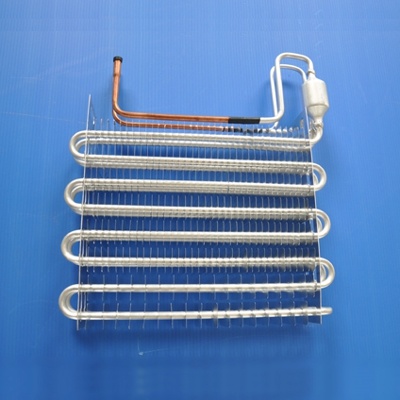
- Finned Tube Evaporators: These are the most commonly used evaporators, featuring a series of metal tubes with fins to enhance heat transfer efficiency. The fins increase the surface area for better heat exchange.
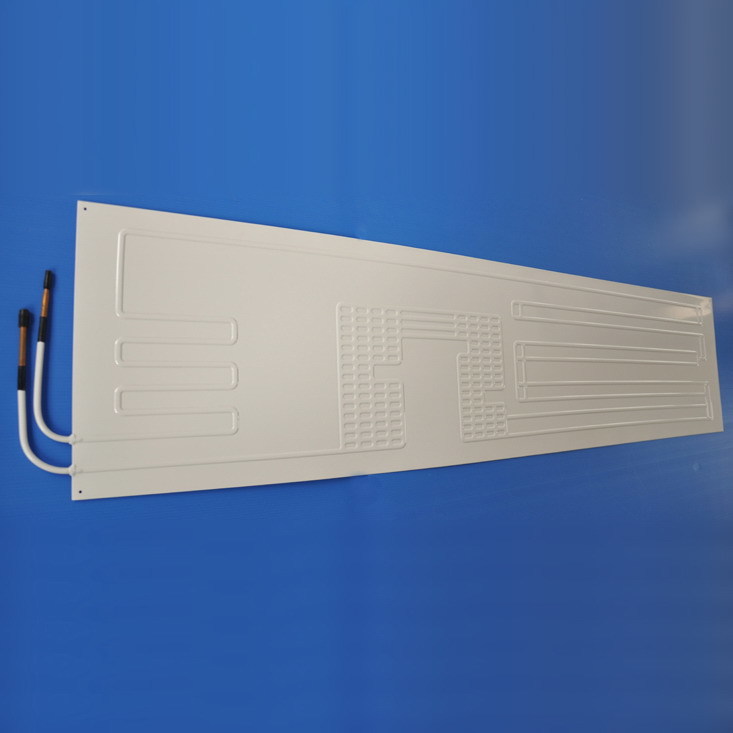
- Plate Evaporators: These consist of flat plates stacked together, creating multiple channels for the refrigerant flow. Plate evaporators offer compact designs and are suitable for applications with limited space.
- Shell and Tube Evaporators: These evaporators comprise a shell filled with tubes through which the refrigerant flows. The tube bundle facilitates efficient heat transfer, making them ideal for high-capacity refrigeration.
3. Benefits of Evaporators for Refrigerators:
Evaporators offer several advantages that contribute to the efficient cooling of refrigerators in various industrial applications.
- Energy Efficiency: The design of evaporators ensures optimal heat exchange, resulting in energy-efficient cooling. This leads to lower electricity consumption and reduced operating costs.
- Compact Size: Evaporators are available in compact designs, making them suitable for industrial equipment where space is limited. This allows for flexible installation options.
- Improved Cooling Performance: The efficient heat transfer of evaporators ensures quick and consistent cooling, preserving the freshness and quality of perishable products in refrigerators.
- Maintenance and Reliability: Evaporators are typically designed for easy maintenance and provide reliable performance, minimizing downtime and maximizing productivity.
In conclusion, the evaporator is an indispensable component in refrigerators for industrial equipment and components in the heat transfer sector. Its efficient heat exchange capabilities, compact design, and reliable performance make it a crucial element in ensuring efficient cooling. Understanding the working principle, different types, and the benefits it offers will help professionals in the industry make informed decisions regarding evaporators for refrigerators in their specific applications.
The evaporator is an essential component in refrigeration systems, particularly for industrial equipment and components in the heat transfer sector. It plays a vital role in extracting heat from the surroundings, facilitating the cooling process. This article explores the significance of evaporators for refrigerators, shedding light on their working principle, different types, and the benefits they offer.
1. Working Principle:
Evaporators utilize the principle of heat transfer through evaporation to remove heat from the surroundings. Typically, a refrigerant, with a low boiling point, circulates through the evaporator coils. As the warm air from the refrigerator interior passes over these coils, the refrigerant evaporates, absorbing heat from the surrounding air in the process. The cooled air is then circulated back into the refrigerator, maintaining the desired low temperature.
2. Types of Evaporators:
There are various types of evaporators used in refrigerators, each with its own unique design and application.
- Finned Tube Evaporators: These are the most commonly used evaporators, featuring a series of metal tubes with fins to enhance heat transfer efficiency. The fins increase the surface area for better heat exchange.
- Plate Evaporators: These consist of flat plates stacked together, creating multiple channels for the refrigerant flow. Plate evaporators offer compact designs and are suitable for applications with limited space.
- Shell and Tube Evaporators: These evaporators comprise a shell filled with tubes through which the refrigerant flows. The tube bundle facilitates efficient heat transfer, making them ideal for high-capacity refrigeration.
3. Benefits of Evaporators for Refrigerators:
Evaporators offer several advantages that contribute to the efficient cooling of refrigerators in various industrial applications.
- Energy Efficiency: The design of evaporators ensures optimal heat exchange, resulting in energy-efficient cooling. This leads to lower electricity consumption and reduced operating costs.
- Compact Size: Evaporators are available in compact designs, making them suitable for industrial equipment where space is limited. This allows for flexible installation options.
- Improved Cooling Performance: The efficient heat transfer of evaporators ensures quick and consistent cooling, preserving the freshness and quality of perishable products in refrigerators.
- Maintenance and Reliability: Evaporators are typically designed for easy maintenance and provide reliable performance, minimizing downtime and maximizing productivity.
In conclusion, the evaporator is an indispensable component in refrigerators for industrial equipment and components in the heat transfer sector. Its efficient heat exchange capabilities, compact design, and reliable performance make it a crucial element in ensuring efficient cooling. Understanding the working principle, different types, and the benefits it offers will help professionals in the industry make informed decisions regarding evaporators for refrigerators in their specific applications.
Hot News

Mobile website


language
English
العربية
বাংলাদেশ
Български
Hrvatski
Česky
Dansk
Nederland
 Esperanto
Slovenski
Filipino
Suomi
Français
Maori
 Shqiptare
Georgian
 Euskara
Deutsch
Ελλάδα
ישראל
इंडिया
Magyarország
Ísland
Indonesia
Irlanda
Italia
日本語
Sovensko
Հայաստան
한국
Kyrgyz
ປະເທດລາວ
 Zulu
Zulu
Latvian
Lithuanian
Luxembourgish
 Latinus
Macedonian
Малайская
Maltese
Монгол улс
 Cymraeg
ဗမာ
 தமிழ்
தமிழ்
नेपाल
Norge
ایران
Polska
Portugal
România
Российская
Србија
 Slovak
Србија
 Slovak
Bosanski
Slovenian
Беларус
España
Sverige
Точик
ประเทศไทย
Türk
Azərbaycan
Uzbek
 Afrikaans
Việt Nam
Tel: 0086-13775291367
E-mail: michael@xinxincool.com
ADD:No. 32 Tianshan Road, Xinqiao Town, Xinbei District, Changzhou City, Jiangsu Province
Copyright © 2024 Changzhou Xinxin Refrigeration Equipment Co., Ltd.