

Understanding the Role of Rollbond Plates in Industrial Refrigeration Equipment
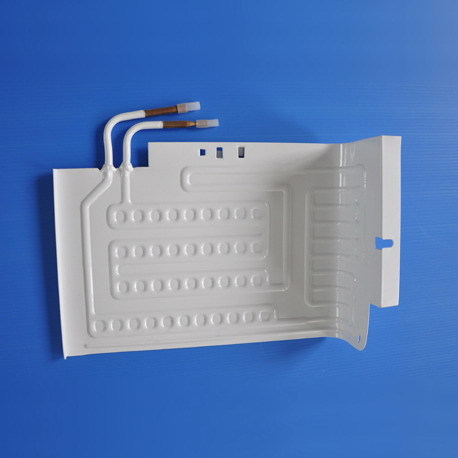
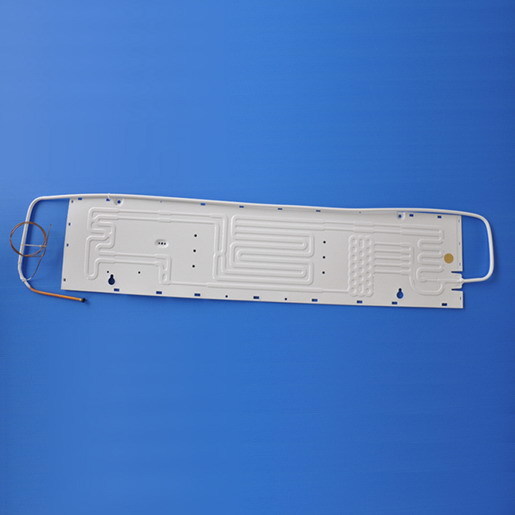
Rollbond plates are a specialized component widely utilized in industrial refrigeration systems, particularly for applications that require efficient thermal management. These plates are characterized by their unique construction method, which involves bonding layers of metal to create a lightweight, high-efficiency heat exchanger. The design of rollbond plates allows for a significant surface are
Published:
2026-07-29
source:
author:
Rollbond plates are a specialized component widely utilized in industrial refrigeration systems, particularly for applications that require efficient thermal management. These plates are characterized by their unique construction method, which involves bonding layers of metal to create a lightweight, high-efficiency heat exchanger. The design of rollbond plates allows for a significant surface area in a compact form, which is essential in enhancing the heat transfer process.
One of the key advantages of rollbond plates is their flexibility in design. They can be manufactured in various shapes and sizes to fit specific applications, making them highly adaptable for different industrial environments. This versatility is particularly beneficial in settings where space is at a premium or where custom solutions are required to achieve optimal performance.
In terms of thermal efficiency, rollbond plates are engineered to maximize heat exchange capabilities. Their construction allows for a larger contact area between the refrigerant and the surface, which facilitates better heat absorption and dissipation. This characteristic is particularly important in refrigeration systems, where efficient temperature control is critical for maintaining product integrity and preventing spoilage.
Another notable benefit of rollbond plates is their durability. Made from high-quality materials, these plates are designed to withstand the harsh conditions often found in industrial settings. They are resistant to corrosion and can endure significant thermal and mechanical stresses, ensuring a long operational life with minimal maintenance requirements.
Moreover, rollbond plates contribute to energy efficiency in refrigeration systems. By enhancing the heat transfer process, they enable systems to operate at lower energy consumption levels, reducing operational costs over time. This aspect is increasingly important in today’s industrial landscape, where energy efficiency is a key concern for manufacturers looking to minimize their carbon footprint.
In conclusion, rollbond plates play a vital role in the functionality and efficiency of industrial refrigeration equipment. Their design, efficiency in heat transfer, adaptability to various applications, and durability make them an indispensable component in modern refrigeration systems. By understanding the benefits and applications of rollbond plates, industry professionals can make informed decisions that enhance the performance and reliability of their cooling systems.
One of the key advantages of rollbond plates is their flexibility in design. They can be manufactured in various shapes and sizes to fit specific applications, making them highly adaptable for different industrial environments. This versatility is particularly beneficial in settings where space is at a premium or where custom solutions are required to achieve optimal performance.
In terms of thermal efficiency, rollbond plates are engineered to maximize heat exchange capabilities. Their construction allows for a larger contact area between the refrigerant and the surface, which facilitates better heat absorption and dissipation. This characteristic is particularly important in refrigeration systems, where efficient temperature control is critical for maintaining product integrity and preventing spoilage.
Another notable benefit of rollbond plates is their durability. Made from high-quality materials, these plates are designed to withstand the harsh conditions often found in industrial settings. They are resistant to corrosion and can endure significant thermal and mechanical stresses, ensuring a long operational life with minimal maintenance requirements.
Moreover, rollbond plates contribute to energy efficiency in refrigeration systems. By enhancing the heat transfer process, they enable systems to operate at lower energy consumption levels, reducing operational costs over time. This aspect is increasingly important in today’s industrial landscape, where energy efficiency is a key concern for manufacturers looking to minimize their carbon footprint.
In conclusion, rollbond plates play a vital role in the functionality and efficiency of industrial refrigeration equipment. Their design, efficiency in heat transfer, adaptability to various applications, and durability make them an indispensable component in modern refrigeration systems. By understanding the benefits and applications of rollbond plates, industry professionals can make informed decisions that enhance the performance and reliability of their cooling systems.
Hot News


Mobile website


language
English
العربية
বাংলাদেশ
Български
Hrvatski
Česky
Dansk
Nederland
 Esperanto
Slovenski
Filipino
Suomi
Français
Maori
 Shqiptare
Georgian
 Euskara
Deutsch
Ελλάδα
ישראל
इंडिया
Magyarország
Ísland
Indonesia
Irlanda
Italia
日本語
Sovensko
Հայաստան
한국
Kyrgyz
ປະເທດລາວ
 Zulu
Zulu
Latvian
Lithuanian
Luxembourgish
 Latinus
Macedonian
Малайская
Maltese
Монгол улс
 Cymraeg
ဗမာ
 தமிழ்
தமிழ்
नेपाल
Norge
ایران
Polska
Portugal
România
Российская
Србија
 Slovak
Србија
 Slovak
Bosanski
Slovenian
Беларус
España
Sverige
Точик
ประเทศไทย
Türk
Azərbaycan
Uzbek
 Afrikaans
Việt Nam
Tel: 0086-13775291367
E-mail: michael@xinxincool.com
ADD:No. 32 Tianshan Road, Xinqiao Town, Xinbei District, Changzhou City, Jiangsu Province
Copyright © 2024 Changzhou Xinxin Refrigeration Equipment Co., Ltd.