

The Science Behind Rollbond Evaporators: How They Enhance Heat Exchange
The Science Behind Rollbond Evaporators: How They Enhance Heat Exchange In the ever-evolving world of industrial equipment and components, heat exchange technologies play a pivotal role, especially in processes requiring efficient thermal management. Among these technologies, **Rollbond evaporators** stand out as a remarkable innovation, designed to enhance heat exchange efficiency significantly.
Published:
2026-07-22
source:
author:
The Science Behind Rollbond Evaporators: How They Enhance Heat Exchange
In the ever-evolving world of industrial equipment and components, heat exchange technologies play a pivotal role, especially in processes requiring efficient thermal management. Among these technologies, **Rollbond evaporators** stand out as a remarkable innovation, designed to enhance heat exchange efficiency significantly. This article explores the science behind Rollbond evaporators, their construction, advantages, and applications, providing a detailed overview that can help industries optimize their thermal management systems.
Table of Contents
- What Are Rollbond Evaporators?
- How Rollbond Evaporators Work
- Advantages of Rollbond Evaporators
- Applications of Rollbond Evaporators
- Design Features and Materials
- Maintenance and Operational Efficiency
- Comparison with Other Evaporators
- Future Trends in Heat Exchange Technology
- FAQs
- Conclusion
What Are Rollbond Evaporators?
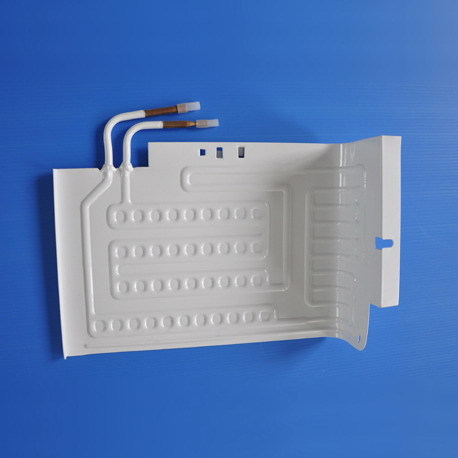
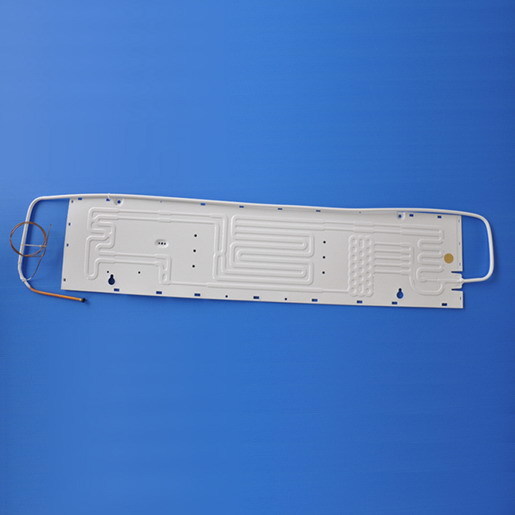
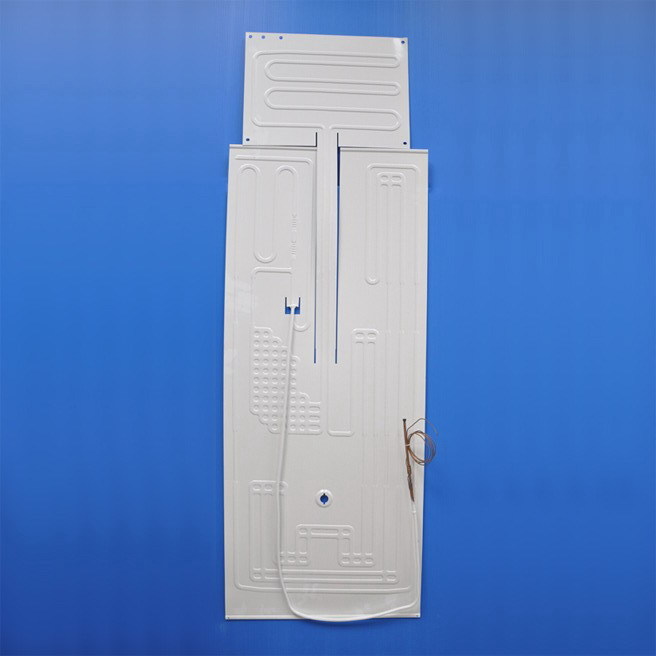
Rollbond evaporators are a type of heat exchange equipment primarily used in industries requiring efficient evaporation processes. They are uniquely designed to facilitate the transfer of heat between fluids through a bonded structure made of thin metal sheets, which are rolled and bonded together. This innovative design offers a compact footprint, allowing for greater efficiency in thermal management.
The construction of Rollbond evaporators involves the use of two thin metal plates, which are bonded at the edges to create a series of channels. These channels allow the working fluid to flow through, optimizing the heat transfer process. The efficiency of Rollbond evaporators makes them ideal for various applications, from food and beverage processing to chemical manufacturing.
How Rollbond Evaporators Work
The operational mechanism of Rollbond evaporators relies on the principles of heat exchange and fluid dynamics. The evaporator's design promotes a large surface area for heat transfer while maintaining a compact size. When a hot fluid passes through the Rollbond evaporator, it transfers its heat to the cooler fluid flowing in the opposite direction. This counterflow setup enhances the heat exchange efficiency, allowing for rapid and effective thermal management.
Key operational principles include:
- Counterflow Design: The opposing flow of hot and cold fluids maximizes temperature differential, enhancing heat transfer rates.
- Increased Surface Area: The channel design offers extensive surface area for heat exchange, facilitating efficient thermal dynamics.
- Low Pressure Drop: The unique construction ensures minimal resistance to fluid flow, resulting in lower energy consumption during operation.
Advantages of Rollbond Evaporators
Rollbond evaporators present several advantages that make them a preferred choice for various industrial applications:
Enhanced Efficiency
One of the primary benefits of Rollbond evaporators is their high thermal efficiency. The large surface area for heat transfer and the counterflow design allow these evaporators to operate effectively, reducing energy consumption and operational costs.
Space-Saving Design
With their compact design, Rollbond evaporators require less physical space than traditional evaporators. This space-saving feature is particularly beneficial in industries where space is at a premium, such as in food processing plants or chemical facilities.
Versatility
Rollbond evaporators can be utilized in various applications, including distillation, concentration processes, and refrigeration systems. Their adaptability makes them suitable for diverse industries, enhancing their overall value.
Durability and Reliability
Constructed from robust materials, Rollbond evaporators are designed to withstand harsh operational conditions. Their durability ensures long-lasting performance and reduces the need for frequent maintenance or replacements.
Applications of Rollbond Evaporators
Rollbond evaporators are utilized across multiple sectors due to their efficiency and adaptability. Common applications include:
Food and Beverage Industry
In the food and beverage sector, Rollbond evaporators are used for processes such as concentration and evaporation of juices, dairy products, and other liquid foods. Their ability to maintain product quality while efficiently removing moisture is invaluable in this industry.
Chemical Manufacturing
Rollbond evaporators play a crucial role in chemical processes, including the production of solvents, acids, and other chemicals that require precise temperature control. Their high efficiency supports operational productivity and quality control.
Pharmaceutical Industry
In pharmaceutical manufacturing, Rollbond evaporators are essential for concentrating solutions and managing thermal processes. Their reliability and efficiency are critical in ensuring product purity and consistency.
Design Features and Materials
The effectiveness of Rollbond evaporators can be attributed to their innovative design features and the materials used in their construction. Key aspects include:
Material Selection
Rollbond evaporators are typically made from materials such as stainless steel and aluminum, which provide excellent thermal conductivity and resistance to corrosion. These materials enhance the durability and efficiency of the evaporators, making them suitable for various applications.
Customizable Design
Manufacturers can customize the design of Rollbond evaporators to meet specific operational needs. Factors such as channel size, layout, and materials can be tailored to optimize performance for particular processes.
Maintenance and Operational Efficiency
To ensure optimal performance, routine maintenance of Rollbond evaporators is essential. Regular inspections and cleaning of the evaporator channels can prevent blockages and ensure efficient heat transfer. Additionally, monitoring operational parameters, such as fluid temperature and pressure, helps maintain the evaporator's efficiency.
Best Practices for Maintenance
- Conduct regular inspections to identify wear and tear.
- Implement a cleaning schedule to remove any buildup.
- Monitor operational parameters for signs of inefficiencies.
Comparison with Other Evaporators
When compared to traditional evaporators such as falling film, rising film, or plate evaporators, Rollbond evaporators showcase several distinct advantages. Their compact design, lower energy usage, and higher heat exchange efficiency position them favorably in the market.
For instance, while plate evaporators are effective, they often require more space and can have higher pressure drops. Rollbond evaporators, on the other hand, provide a more efficient solution without compromising performance, making them an attractive choice for industries looking to optimize their processes.
Future Trends in Heat Exchange Technology
The future of heat exchange technology, including Rollbond evaporators, is poised for innovation. Advancements in materials science and nanotechnology are expected to lead to even more efficient designs and enhanced thermal management capabilities.
Additionally, the integration of smart technologies and IoT (Internet of Things) will allow for real-time monitoring and optimization of heat exchange processes, further improving efficiency and reducing operational costs.
FAQs
What is a Rollbond evaporator?
A Rollbond evaporator is a type of heat exchange equipment designed to facilitate thermal management through a compact, bonded structure that enhances heat transfer efficiency.
How does a Rollbond evaporator work?
Rollbond evaporators operate on the principle of counterflow, where hot and cold fluids move in opposite directions, maximizing the heat exchange process across a large surface area.
What are the main advantages of using Rollbond evaporators?
The advantages include enhanced efficiency, space-saving design, versatility in applications, and durability, making them ideal for various industries.
In which industries are Rollbond evaporators commonly used?
They are widely used in the food and beverage, chemical manufacturing, and pharmaceutical industries, among others.
How can maintenance affect the performance of Rollbond evaporators?
Regular maintenance is crucial for ensuring optimal performance. Routine inspections and cleaning help prevent blockages and maintain efficient heat transfer, thus enhancing operational efficiency.
Conclusion
The science behind Rollbond evaporators demonstrates their significant role in enhancing heat exchange processes across various industries. With their unique design, operational efficiency, and adaptability, Rollbond evaporators provide a valuable solution for organizations looking to optimize thermal management. As technology advances, we expect to see further innovations in this field, positioning Rollbond evaporators at the forefront of efficient industrial processes. Embracing these advancements will not only enhance operational efficiency but also contribute to sustainability efforts across sectors.
Hot News

Mobile website


 Esperanto
 Shqiptare
 Euskara
 Zulu
Zulu
 Latinus
 Cymraeg
 தமிழ்
தமிழ்
 Slovak
 Slovak
 Afrikaans
Tel: 0086-13775291367
E-mail: michael@xinxincool.com
ADD:No. 32 Tianshan Road, Xinqiao Town, Xinbei District, Changzhou City, Jiangsu Province
Copyright © 2024 Changzhou Xinxin Refrigeration Equipment Co., Ltd.