

Understanding Heat Exchanger Evaporators: Key Insights for Industrial Applications
Heat exchanger evaporators play a pivotal role in various industrial applications, particularly in processes that require efficient thermal management. These devices facilitate the transfer of heat between two or more fluids, enabling the conversion of liquid refrigerants into vapor while absorbing heat from the surrounding environment. Understanding their operation and benefits is crucial for pro
Published:
2026-07-01
source:
author:
Heat exchanger evaporators play a pivotal role in various industrial applications, particularly in processes that require efficient thermal management. These devices facilitate the transfer of heat between two or more fluids, enabling the conversion of liquid refrigerants into vapor while absorbing heat from the surrounding environment. Understanding their operation and benefits is crucial for professionals working with thermal systems.
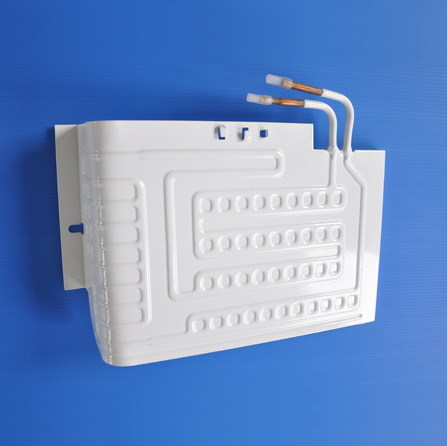
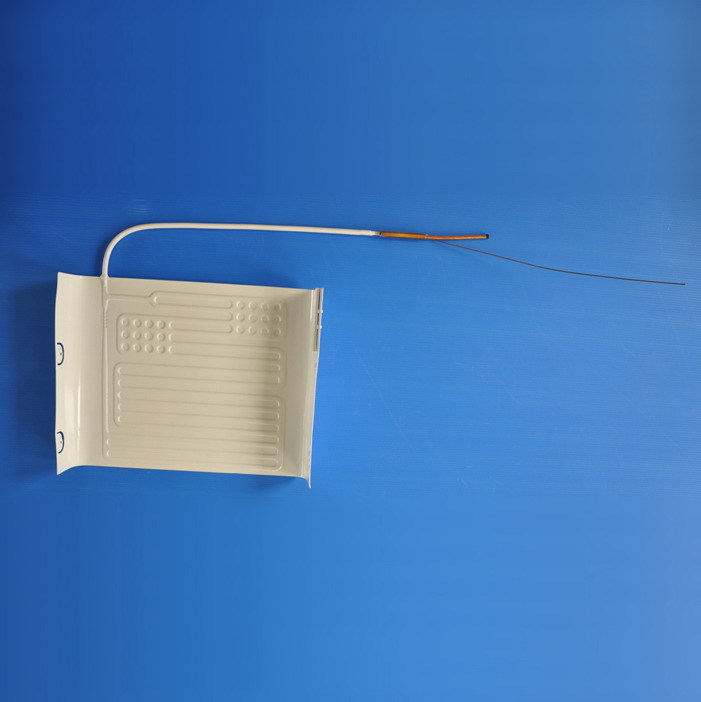
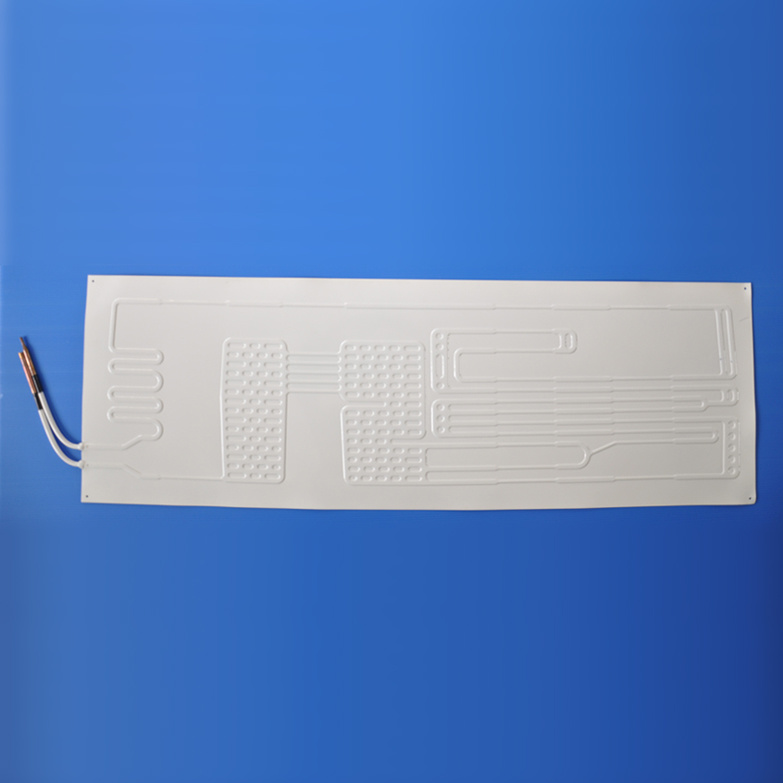
At the core of a heat exchanger evaporator is its ability to maximize heat transfer efficiency. The device typically consists of a series of tubes or plates through which the refrigerant flows. The design often incorporates fins or other surface enhancements to increase the surface area, thereby optimizing the heat exchange process. When liquid refrigerant enters the evaporator, it absorbs heat from the environment or the process fluid, resulting in a phase change from liquid to gas. This process not only cools the surrounding area but also provides the necessary refrigerant vapor for subsequent compression in refrigeration cycles.
One of the significant advantages of heat exchanger evaporators is their versatility. They can be used in various industries, including food and beverage, chemical processing, and HVAC systems. By selecting the appropriate design and materials, these evaporators can operate efficiently under different temperature and pressure conditions. Furthermore, advancements in technology have led to the development of more compact and energy-efficient designs, reducing space requirements and operational costs.
Another critical aspect to consider is maintenance. Regular monitoring and servicing of heat exchanger evaporators are essential to ensure optimal performance and longevity. Factors such as fouling, leaks, and corrosion can significantly affect their efficiency. Implementing a routine maintenance schedule can help identify potential issues early and maintain the reliability of the thermal management system.
In summary, heat exchanger evaporators are integral components in many industrial processes, offering efficient heat transfer capabilities and operational flexibility. By understanding their design, function, and maintenance requirements, professionals can make informed decisions that enhance the performance and sustainability of their thermal systems. Whether you are involved in designing, selecting, or maintaining these devices, a thorough comprehension of heat exchanger evaporators can lead to improved operational efficiency and reduced energy consumption in your industrial applications.
At the core of a heat exchanger evaporator is its ability to maximize heat transfer efficiency. The device typically consists of a series of tubes or plates through which the refrigerant flows. The design often incorporates fins or other surface enhancements to increase the surface area, thereby optimizing the heat exchange process. When liquid refrigerant enters the evaporator, it absorbs heat from the environment or the process fluid, resulting in a phase change from liquid to gas. This process not only cools the surrounding area but also provides the necessary refrigerant vapor for subsequent compression in refrigeration cycles.
One of the significant advantages of heat exchanger evaporators is their versatility. They can be used in various industries, including food and beverage, chemical processing, and HVAC systems. By selecting the appropriate design and materials, these evaporators can operate efficiently under different temperature and pressure conditions. Furthermore, advancements in technology have led to the development of more compact and energy-efficient designs, reducing space requirements and operational costs.
Another critical aspect to consider is maintenance. Regular monitoring and servicing of heat exchanger evaporators are essential to ensure optimal performance and longevity. Factors such as fouling, leaks, and corrosion can significantly affect their efficiency. Implementing a routine maintenance schedule can help identify potential issues early and maintain the reliability of the thermal management system.
In summary, heat exchanger evaporators are integral components in many industrial processes, offering efficient heat transfer capabilities and operational flexibility. By understanding their design, function, and maintenance requirements, professionals can make informed decisions that enhance the performance and sustainability of their thermal systems. Whether you are involved in designing, selecting, or maintaining these devices, a thorough comprehension of heat exchanger evaporators can lead to improved operational efficiency and reduced energy consumption in your industrial applications.
Hot News

Mobile website


language
English
العربية
বাংলাদেশ
Български
Hrvatski
Česky
Dansk
Nederland
 Esperanto
Slovenski
Filipino
Suomi
Français
Maori
 Shqiptare
Georgian
 Euskara
Deutsch
Ελλάδα
ישראל
इंडिया
Magyarország
Ísland
Indonesia
Irlanda
Italia
日本語
Sovensko
Հայաստան
한국
Kyrgyz
ປະເທດລາວ
 Zulu
Zulu
Latvian
Lithuanian
Luxembourgish
 Latinus
Macedonian
Малайская
Maltese
Монгол улс
 Cymraeg
ဗမာ
 தமிழ்
தமிழ்
नेपाल
Norge
ایران
Polska
Portugal
România
Российская
Србија
 Slovak
Србија
 Slovak
Bosanski
Slovenian
Беларус
España
Sverige
Точик
ประเทศไทย
Türk
Azərbaycan
Uzbek
 Afrikaans
Việt Nam
Tel: 0086-13775291367
E-mail: michael@xinxincool.com
ADD:No. 32 Tianshan Road, Xinqiao Town, Xinbei District, Changzhou City, Jiangsu Province
Copyright © 2024 Changzhou Xinxin Refrigeration Equipment Co., Ltd.